The pain and itching of shingles usually begin before the rash appears. Shingles is caused by the varicella-zoster virus, which causes chickenpox upon initial infection. The virus then lies dormant in nerve tissue and may become active again when immunity weakens, triggering shingles.
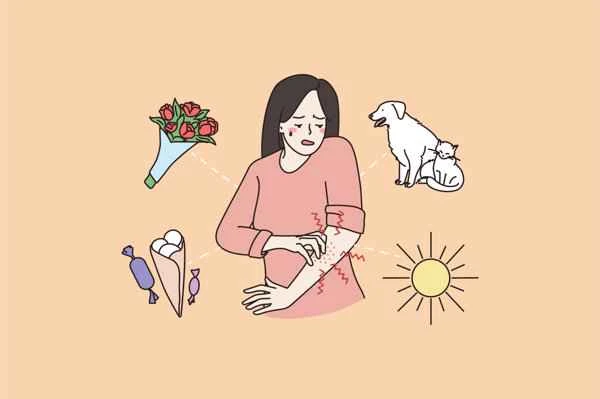
The pain and itching associated with shingles are important because they serve as early warning signs, prompting people to seek medical attention promptly to alleviate symptoms and prevent complications. Understanding these symptoms helps in early diagnosis and treatment, thereby reducing viral damage to the nervous system and avoiding long-term pain problems.

The pain and itching associated with shingles typically begin 1-2 days before the rash appears, manifesting as a stinging, burning, or itching sensation in the affected skin. This sensation may occur on one side of the body, forming a band-like area along the nerve distribution pathway. This pain and itching are caused by inflammation of nerve tissue following viral activation, leading to abnormal nerve signal transmission. The pain and itching may worsen when the rash appears.
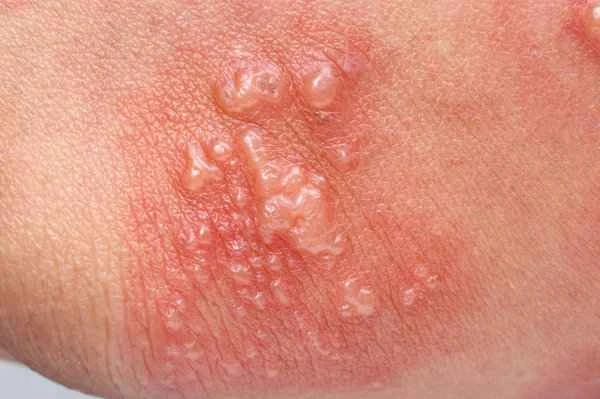
Having learned about the early warning signs of pain and itching in shingles, we should view these symptoms objectively. The presence of pain and itching does not necessarily mean it will develop into severe shingles, but it does indicate a need for vigilance and prompt medical attention. At the same time, we also need to avoid overinterpreting these symptoms and preventing unnecessary panic. When following a doctor's advice, the most important thing to be wary of is self-diagnosis and delaying treatment, as early treatment can significantly alleviate symptoms and prevent complications.
【Useful Tips:】
1. Pay attention to any unusual tingling, burning, or itching sensations on either side of your body, especially if the sensation is limited to one side of your body.
2. If the above symptoms occur, you should seek medical attention promptly for early diagnosis and treatment.
3. Maintain healthy lifestyle habits and boost your immunity to reduce the risk of developing shingles.
4. During treatment, follow your doctor's instructions, use medications appropriately, and avoid adverse reactions caused by self-medication.