Postoperative scar management aims to promote wound healing, reduce scar formation, and improve the appearance and texture of scars.
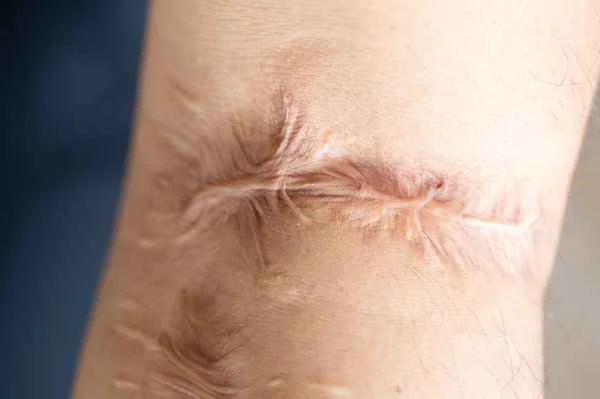
Postoperative scar management requires consideration of multiple factors, including the type of surgery, individual constitution, and postoperative care. In the early postoperative period, keeping the wound clean and dry is crucial to effectively reduce the risk of infection and thus minimize scar formation. Using doctor-recommended wound care products, such as antibiotic ointments, can further promote wound healing. After the wound has healed, physical therapy methods such as pressure therapy and silicone dressings can be used to reduce redness and hardness of the scar, improving its appearance. Maintaining healthy lifestyle habits, such as a balanced diet and moderate exercise, also helps promote wound healing and reduce scar formation.
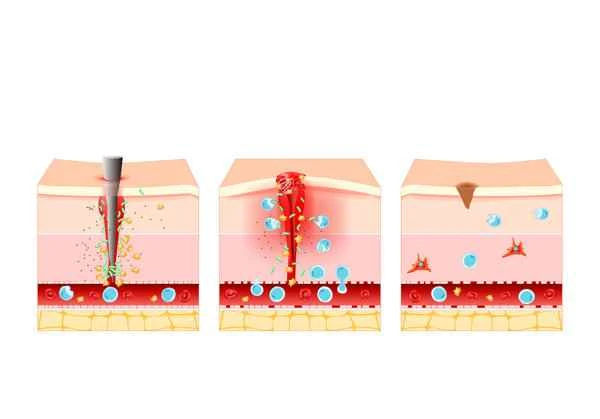
In managing postoperative scars, it's important to recognize that scar formation is a complex process influenced by multiple factors. Before taking any treatment measures, it's best to consult a professional doctor to develop a personalized treatment plan based on your individual circumstances. Postoperative scar management requires patience and time; it cannot be achieved overnight. Patients need to have realistic expectations and not expect immediate, significant results.
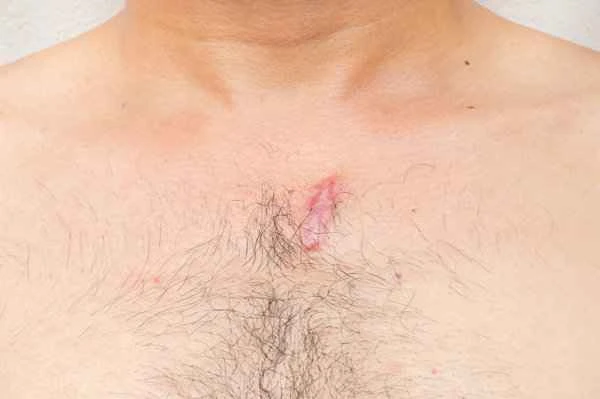
[Management Tip:]
1. Keep the wound clean and dry to promote healing.
2. Use wound care products recommended by your doctor, such as antibiotic ointment.
3. After the wound has healed, use physical therapy methods such as pressure therapy or silicone dressings.
4. Maintain good lifestyle habits, such as a balanced diet and moderate exercise.