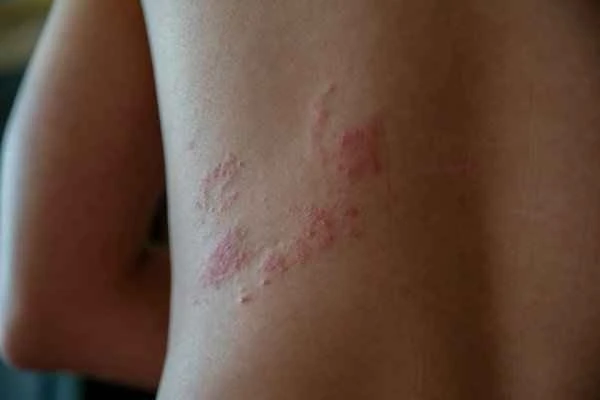
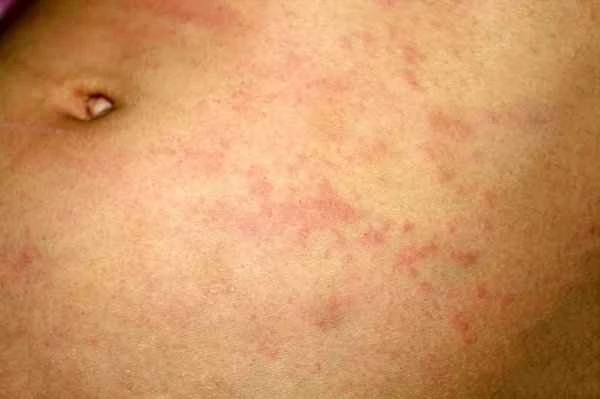
The tests needed for vitiligo are primarily to determine the degree and extent of skin depigmentation, thus providing a basis for treatment. These tests are crucial for assessing the condition, selecting appropriate treatment methods, and monitoring treatment effectiveness. Through these tests, doctors can better understand the patient's condition and develop personalized treatment plans.

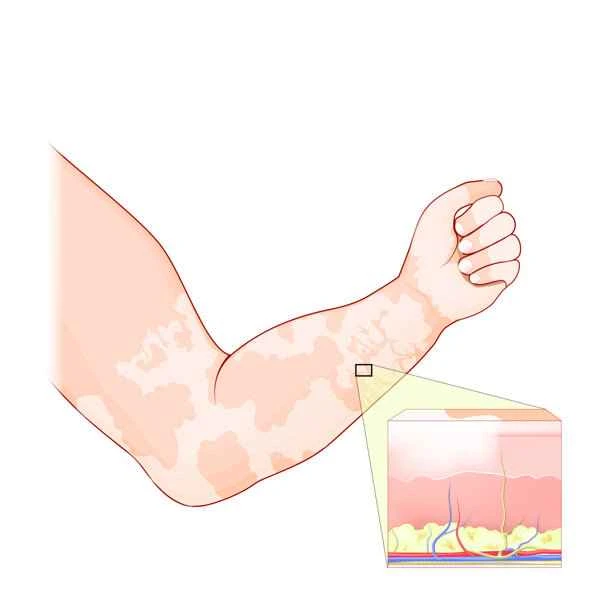
When examining vitiligo, procedures typically include skin examination, Wood's lamp examination, and skin biopsy. Skin examination primarily observes the shape, size, and distribution of the lesions. Wood's lamp examination uses ultraviolet light of a specific wavelength to illuminate the skin, revealing areas of pigmentation and aiding in the identification of vitiligo. Skin biopsy involves taking a small sample of skin tissue for microscopic examination to determine the presence of missing pigment cells.
Interpreting test results requires a doctor's expertise, as each patient's situation is unique. We should maintain an objective attitude towards test results, recognizing that medical test results are not absolute and only provide reference information. During treatment, patients should closely monitor their own reactions and communicate with their doctors promptly to adjust the treatment plan. At the same time, patients should avoid self-diagnosis and treatment to prevent delays in diagnosis and treatment.

【Useful Tips】
1. Skin examination is an important means of making a preliminary assessment of skin lesions.
2. Wood's lamp examination helps to more accurately identify areas of skin lesions.
3. Skin biopsy is an effective method to confirm the presence of pigment cell loss.
4. Test results must be interpreted by a professional doctor, and patients should maintain active communication.