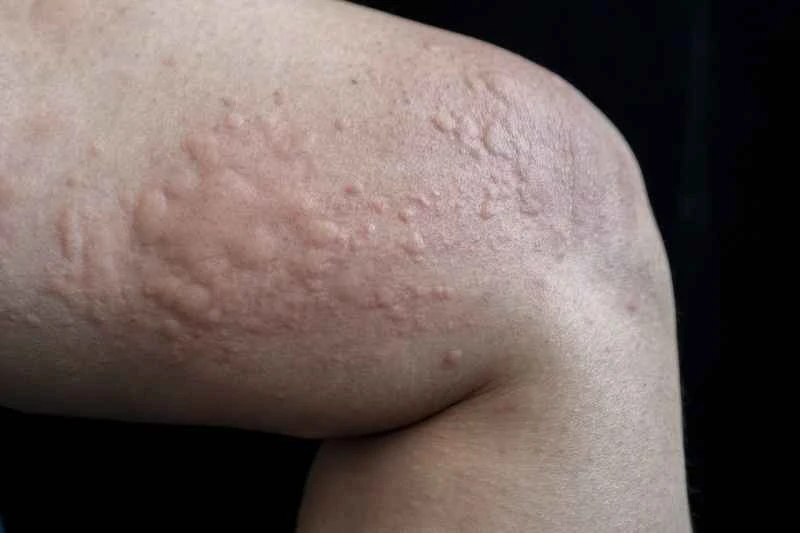
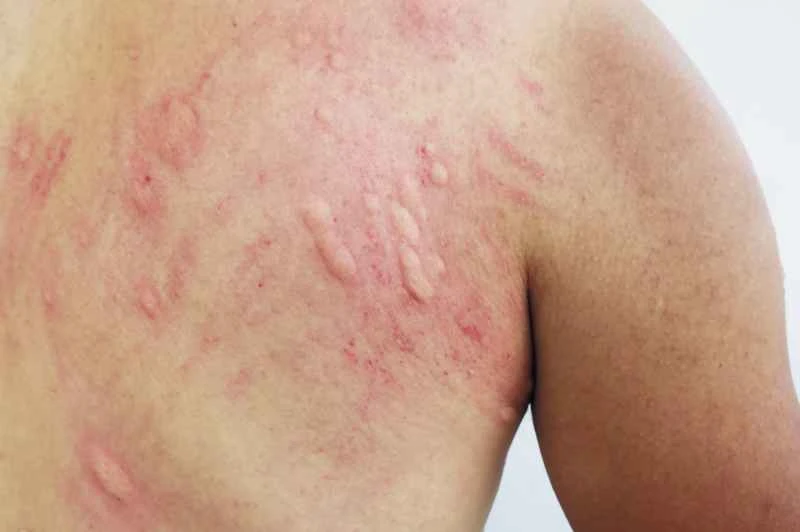
Scar spasm refers to the abnormal contraction of scar tissue formed during the healing process of skin or internal organs due to trauma, surgery, or other causes.
Keloid spasm is important because it can lead to functional impairment, affecting a patient's daily life and work ability. Understanding keloid spasm helps in the timely detection and treatment of related problems, thereby improving the patient's quality of life.
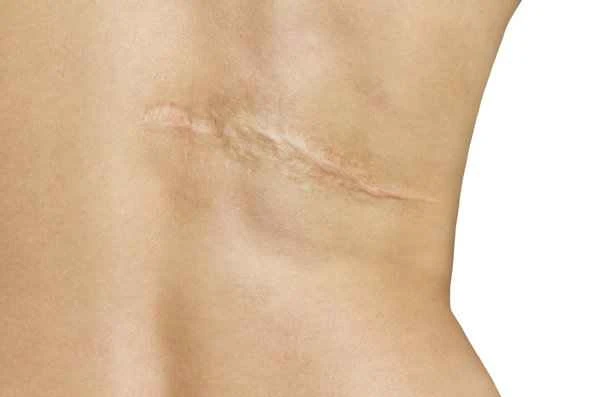
The formation of keloids is usually related to the abnormal proliferation of scar tissue during the wound healing process. This proliferating scar tissue fails to recover normally during healing and instead contracts abnormally, causing compression of surrounding tissues. This contraction can occur in multiple locations, including the skin, muscles, and internal organs, and manifests in various ways, including but not limited to pain and limited function. This abnormal contraction may be due to excessive fibrosis of the scar tissue or insufficient elastic recovery capacity of the scar tissue.
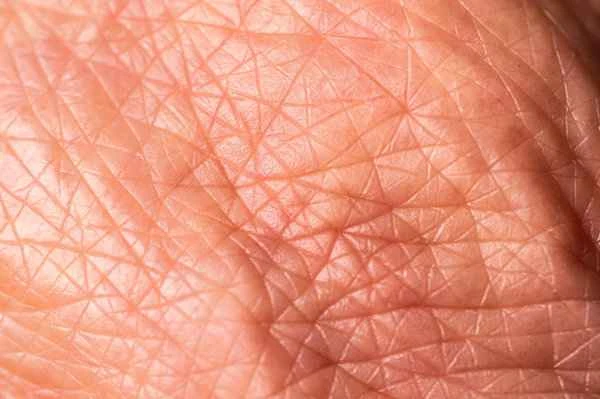
Once we understand the formation mechanism of keloids, we need to objectively view the limitations of this phenomenon. The diagnosis and treatment of keloids often require a comprehensive consideration of the patient's specific situation, including the type of trauma and the care provided during the healing process. When facing keloids, we should maintain a scientific attitude and undergo appropriate examinations and treatments based on the professional advice of doctors, rather than blindly relying on a particular treatment method or product. At the same time, we also need to avoid some common misconceptions, such as over-reliance on drug treatment while neglecting the importance of physical therapy, or neglecting the patient's own rehabilitation training.
【Useful Tips:】
1. Pay attention to post-traumatic care, keep the wound clean, and avoid infection.
2. Under the guidance of a doctor, undergo appropriate physical therapy, such as massage and hot compresses.
3. Use medications as prescribed by your doctor, such as anti-inflammatory drugs and painkillers.
4. Regular follow-up examinations are necessary to monitor scar growth and adjust the treatment plan as needed.