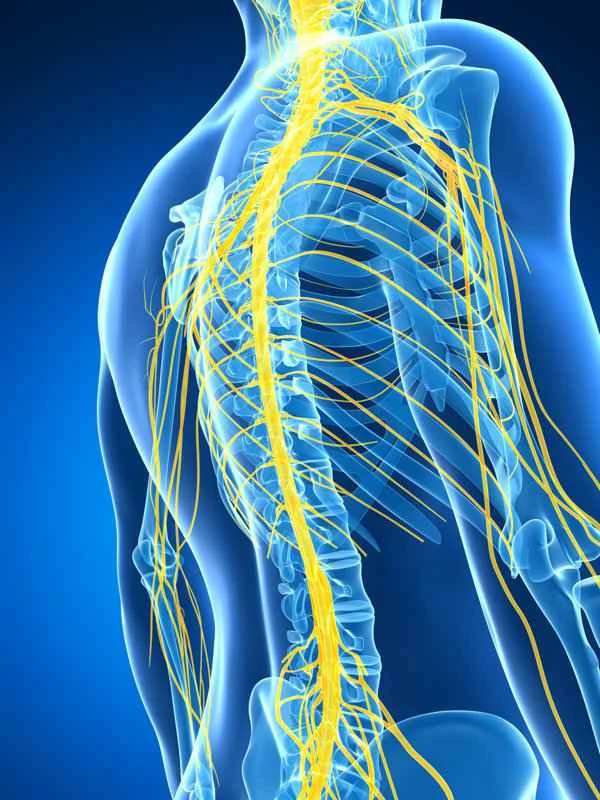
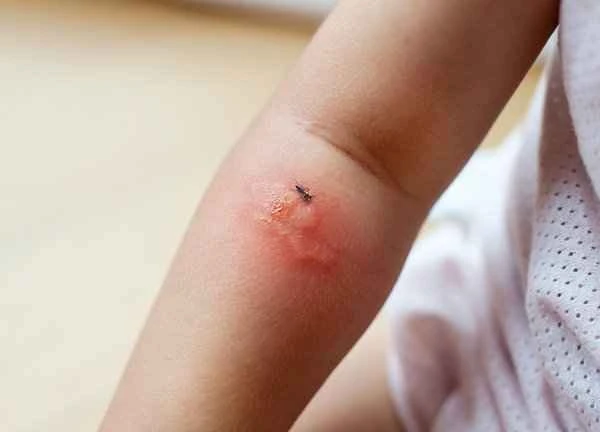
The recovery time after keloid repair varies from person to person, typically taking several months to about a year. Recovery after keloid repair is a gradual process involving multiple stages, including skin regeneration, collagen remodeling, and the resolution of inflammation. The recovery time is influenced by various factors, including individual differences, the choice of treatment method, and the quality of postoperative care. Each person's recovery may differ.
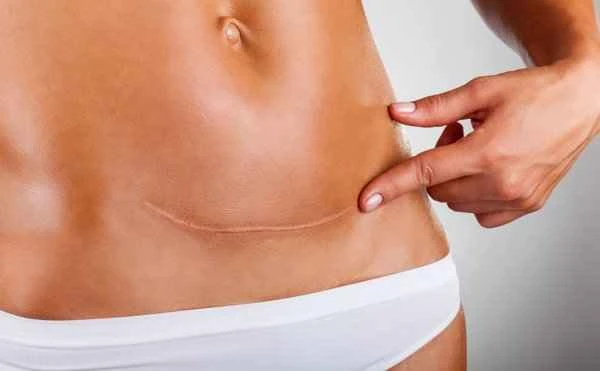
There are various methods for treating keloids, including surgical excision, laser therapy, radiation therapy, and drug injections. Each treatment method has its specific mechanism of action and applicable scope. For example, surgical excision can directly remove the keloid, but new scarring may occur post-surgery; laser therapy promotes the softening and flattening of the scar by destroying collagen fibers in the scar tissue; radiation therapy can inhibit the growth of scar tissue, but its long-term effects and safety still require further research; drug injections, such as corticosteroids, can reduce inflammation and inhibit the growth of scar tissue. These treatment methods usually need to be used in combination to achieve the best therapeutic effect.
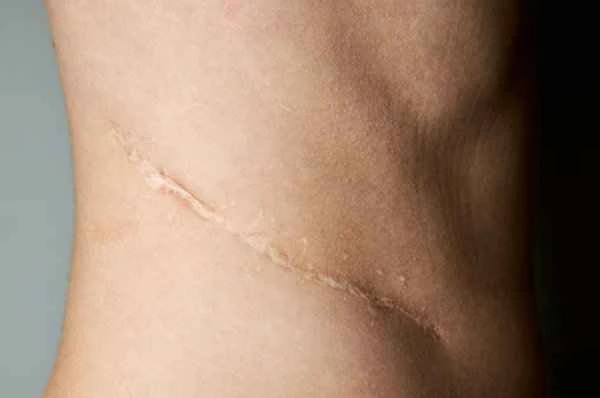
During the recovery process after keloid repair surgery, patients may encounter some common misconceptions. For example, some patients may believe that they will see significant improvement immediately after treatment, but in reality, scar tissue remodeling and skin regeneration take time. Some patients may neglect the importance of postoperative care, such as keeping the wound clean and avoiding strenuous exercise, which can affect the treatment outcome. After undergoing keloid repair treatment, patients should fully understand the principles and expected results of the treatment, and actively cooperate with their doctor's guidance to perform effective postoperative care.
[Management Tip:]
1. Keep the wound clean after surgery to avoid infection.
2. Follow your doctor's advice for regular check-ups to monitor your recovery.
3. Avoid strenuous exercise and heavy physical labor to prevent affecting wound healing.
4. Pay attention to a healthy diet, avoid spicy foods, and promote physical recovery.