Scarring is a common phenomenon in the skin healing process. Sometimes, after a scab falls off, a scar is left at the wound site. The key to treating scars lies in understanding the causes of scar formation and corresponding strategies.
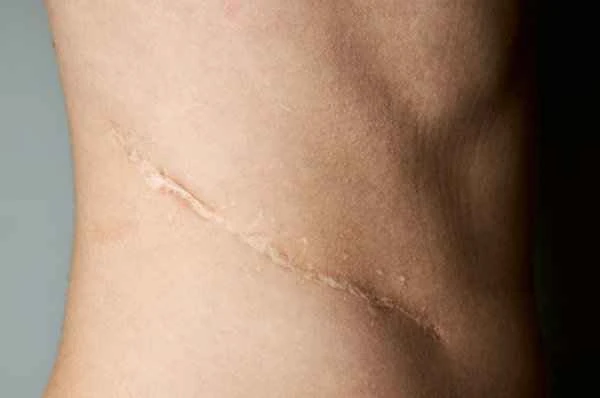
Scars form due to excessive collagen production during the healing process, resulting in raised or depressed areas on the skin's surface. There are various types of scars, including hypertrophic scars, keloids, and atrophic scars. Treatment methods differ depending on the type of scar. Hypertrophic scars and keloids can be treated with local injections of corticosteroids to reduce inflammation and inhibit excessive collagen production, while atrophic scars may require laser treatment or surgery. Using silicone-containing patches or gels can help keep the scar area moist, promoting softening and flattening. Maintaining healthy lifestyle habits, such as avoiding excessive sun exposure, eating a healthy diet, and engaging in moderate exercise, also helps reduce the impact of scars.
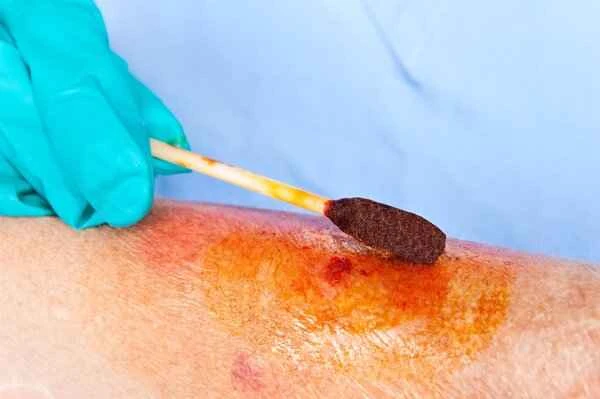
When dealing with scars, it's important to note that not all scars require treatment. Mild scars may improve naturally over time without special intervention. However, for scars that affect appearance or function, timely and appropriate treatment is crucial. Treating scars is a long-term process that requires patience and perseverance from the patient. It's also essential to avoid using unproven remedies or treatments to prevent unnecessary harm.
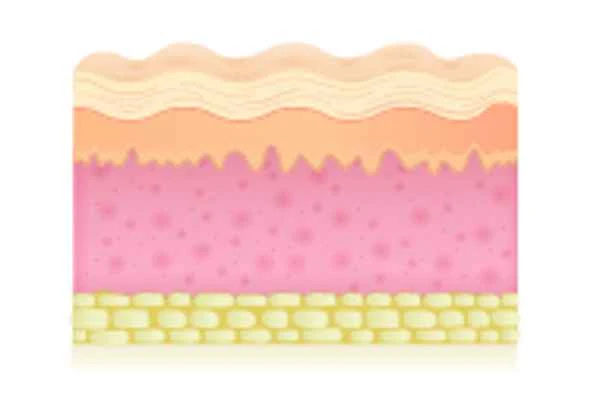
[Management Tip:]
1. Use silicone-containing patches or gels to help keep the scar area moist.
2. Avoid excessive sun exposure and use sunscreen to protect the scarred area.
3. Maintain a healthy diet, ensuring adequate intake of protein and vitamins to promote skin healing.
4. Monitor changes in the scar regularly, and seek medical attention promptly if any abnormalities are found.