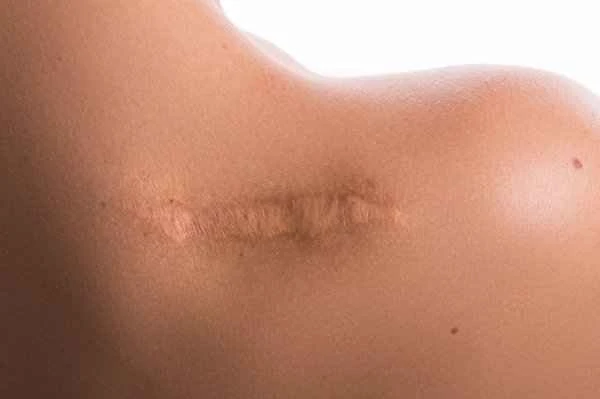
Psoriasis is not contagious, so you can have normal contact with patients without worry. However, patients need to pay attention to proper care, which is explained in detail below:
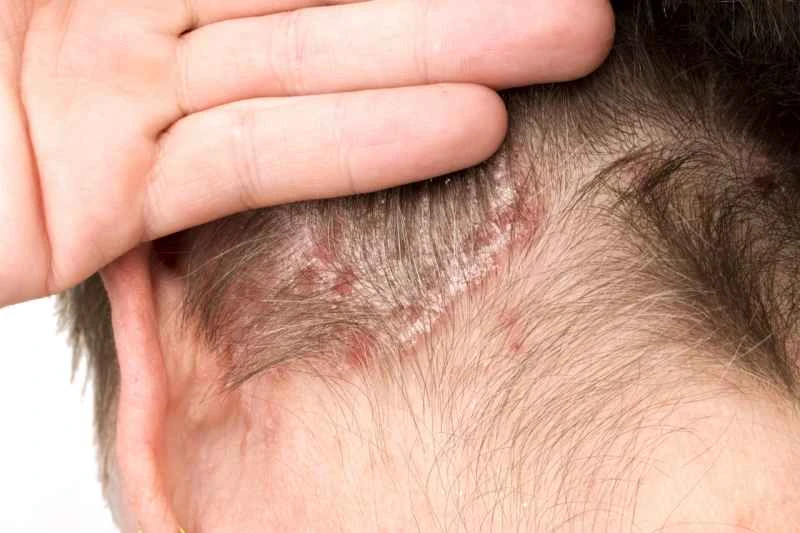
1. The disease is inherently non-infectious.
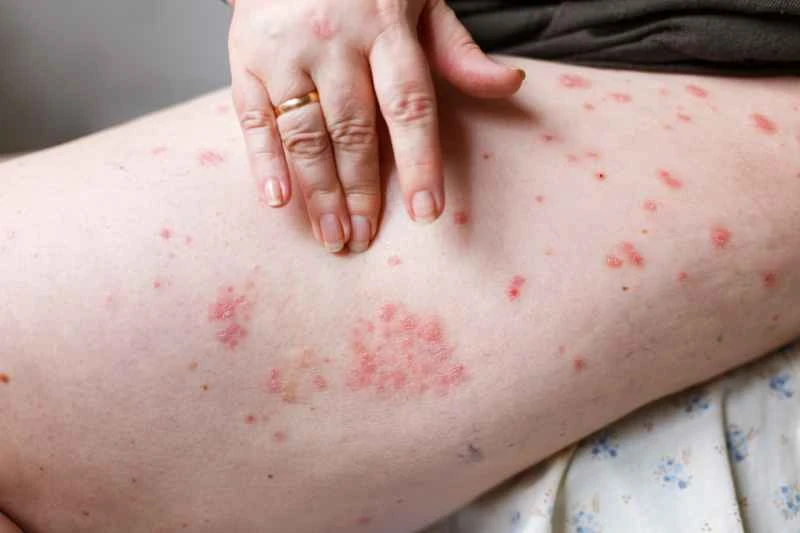
Psoriasis is an immune system-related problem, mainly characterized by rapid skin renewal, resulting in scaling and redness. This is completely different from infectious diseases caused by viruses or bacteria, so it is not transmitted through everyday contact.
2. Symptoms may lead to misunderstandings.
Because the skin may peel and redden, it can sometimes be mistaken for being contagious. In fact, these symptoms are not transmitted to others through touch, sharing utensils, or close contact.
3. Genetic factors should be considered.
While the disease itself is not contagious, some cases of psoriasis are related to genetics. If there is a family history of the disease, children may have a slightly higher chance of developing it, but this is not considered contagious.
To better manage this condition, patients are advised to keep their skin moisturized and avoid scratching or causing damage; reduce daily stress and spicy food intake; if symptoms worsen, seek timely medical attention at a reputable hospital's dermatology department for standardized treatment to control the progression of the disease.