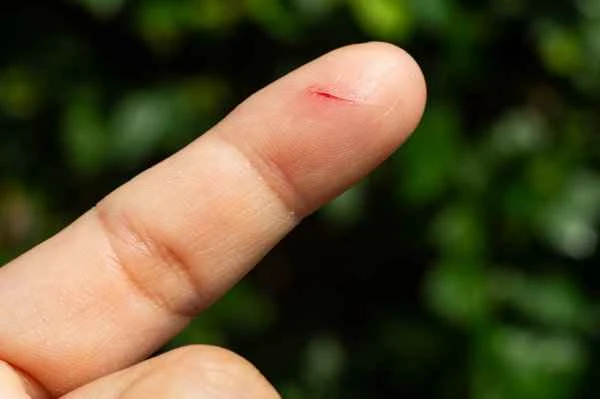
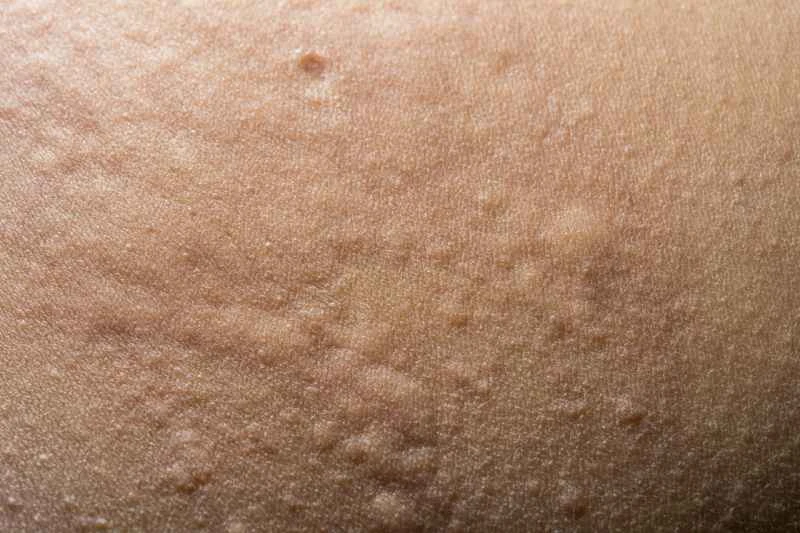
Pressure ulcer scars refer to the scar tissue left after pressure ulcers have healed.
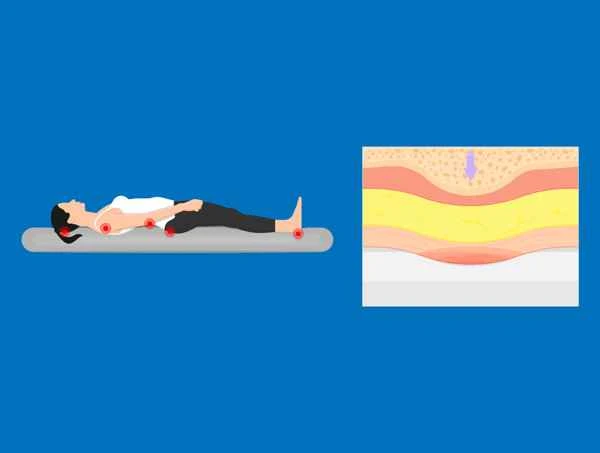
The importance of describing pressure ulcer scars lies in the fact that it can help doctors and patients understand the wound healing process, detect potential infections or poor healing in a timely manner, and thus take appropriate treatment measures.
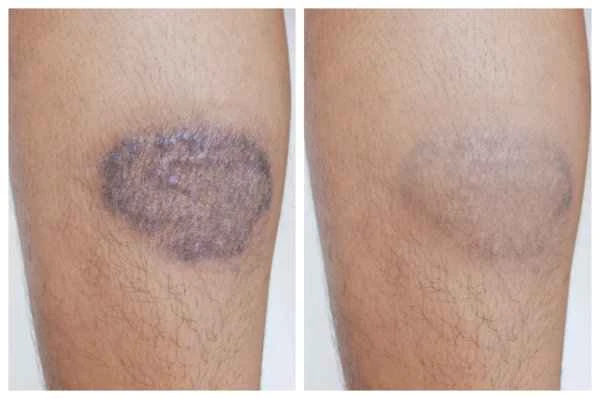
A description of a pressure ulcer scar should include its shape, color, firmness, and the presence of redness, swelling, or discharge. In terms of shape, observe whether the scar is flat or raised, and whether the edges are clear. Regarding color, note whether the scar is red, purple, or white. For firmness, gently press the scar to feel its hardness. Also check for redness and swelling around the scar, and for any abnormal discharge. This description helps the doctor assess the scar's healing progress and determine if further treatment is needed.
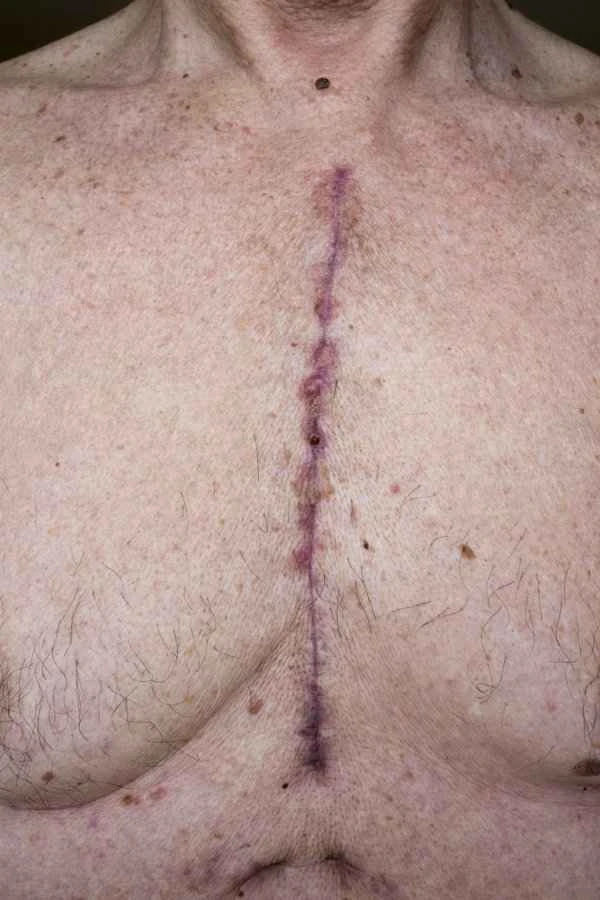
When describing pressure ulcer scars, it's important to view the healing process objectively, understanding that scar formation is a gradual process that can take weeks or even months. At the same time, be aware of the discomfort that scars may cause, such as pain and itching, as well as potential complications such as scar hyperplasia or infection. Maintain objectivity when describing the scar and provide timely feedback to your doctor to receive appropriate treatment recommendations.
【Useful Tips:】
1. Observe the shape, color, hardness and other characteristics of the scar.
2. Pay attention to whether there is redness and swelling around the scar, and whether there is any abnormal discharge.
3. Promptly report any changes in the scar to your doctor so that they can provide appropriate treatment advice.
4. Maintain good personal hygiene habits to avoid infection.