When children experience urticaria flare-ups, some suitable anti-allergy medications for children can be used under the guidance of a doctor. Common oral medications include loratadine syrup and cetirizine drops, but the specific medication should be determined by a doctor based on age, weight, and the severity of the condition. Parents should never give their children medication on their own.
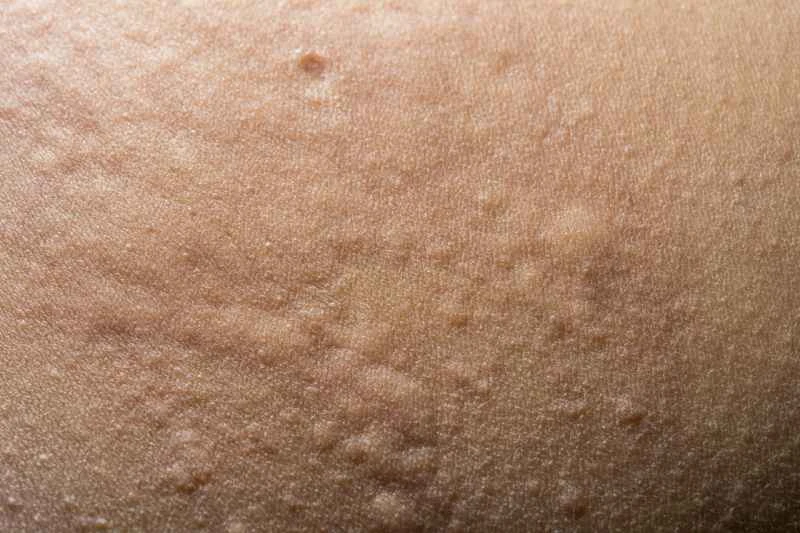
1. **Common Drug Types**
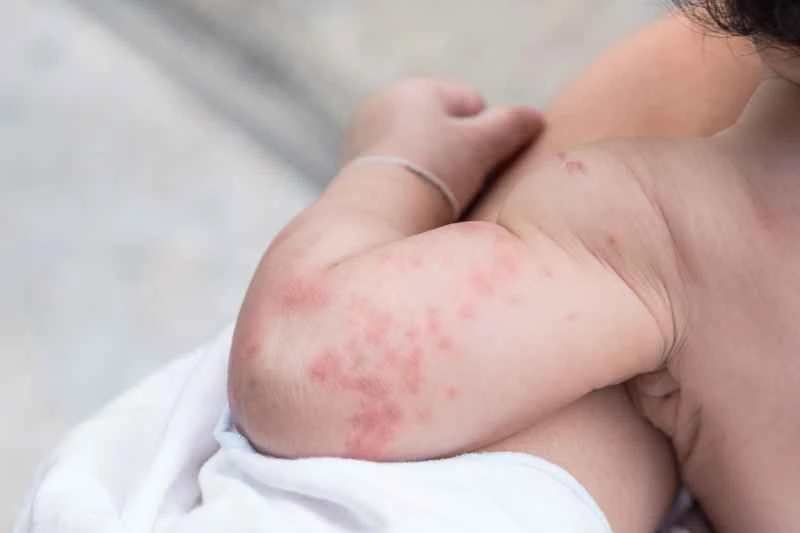
Second-generation antihistamines, such as loratadine or cetirizine in pediatric formulations, are commonly used for children. These medications typically have fewer side effects and are suitable for relieving itching and rashes.
2. **Precautions for Medication Use**
Before administering medication, ensure the child's age and weight match the instructions on the medication label and follow the doctor's prescribed dosage. Avoid using adult medications or arbitrarily adjusting the dosage to prevent discomfort.
3. **In conjunction with daily care**
During medication, cold compresses can be applied to relieve itchy skin and prevent the child from scratching. Also, observe for any food or environmental factors that may trigger hives to help reduce recurrence.
If your child exhibits severe symptoms such as shortness of breath or facial swelling, seek immediate medical attention. Keep a record of any episodes and provide your details to your doctor during your appointment so that a more suitable treatment plan can be developed.