Shingles causes abdominal heat due to an inflammatory response triggered by a viral infection. Shingles is caused by the varicella-zoster virus (VZV), which initially causes chickenpox and then remains dormant in nerve ganglia. When the virus becomes active again, it travels along nerve pathways to the skin surface, causing shingles. Abdominal heat is a common symptom of shingles, typically manifesting as a burning sensation or pain in the abdominal area.
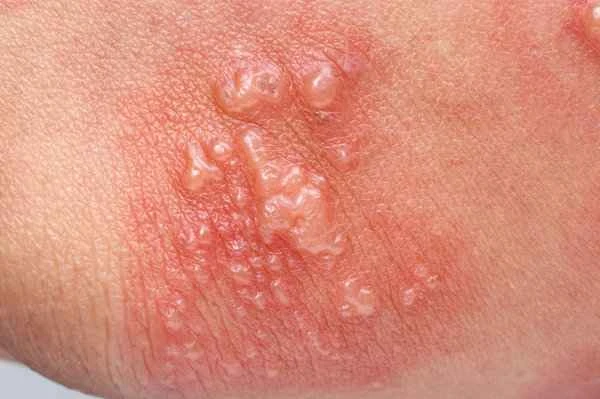
The pathogenesis of shingles involves viral reactivation and spread. When the body's immunity is weakened, the virus, which lies dormant in nerve ganglia, can be activated and travel along nerve fibers to the skin surface, causing a rash and pain. A burning sensation in the abdomen may be due to the virus affecting nerves in the abdomen, leading to a local inflammatory response. This inflammatory response causes a localized burning sensation, accompanied by pain, tingling, or burning. The inflammatory response may also cause local redness and swelling of the skin, further exacerbating the discomfort.
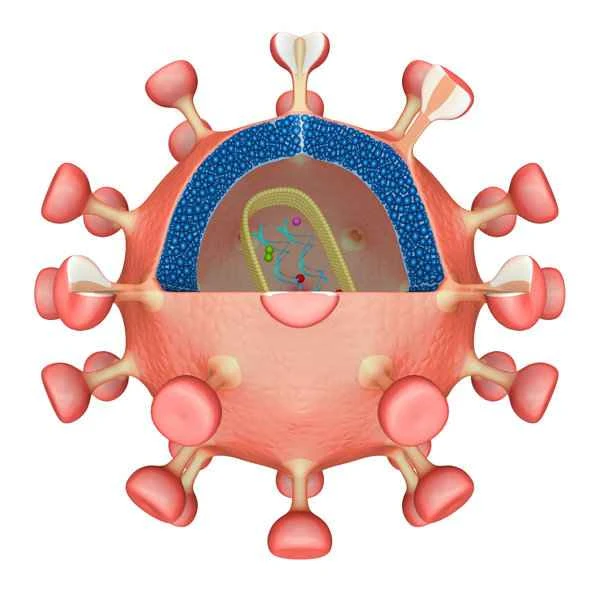
Treatment and management of shingles requires consideration of multiple factors. Timely medical attention is crucial. Doctors will prescribe antiviral medications, such as acyclovir, to suppress viral replication, alleviate symptoms, and accelerate recovery. Doctors may also prescribe pain relievers, such as nonsteroidal anti-inflammatory drugs (NSAIDs) or analgesics. In some cases, doctors may recommend topical medications, such as analgesic gels or creams, to relieve local skin discomfort. There are certain risks associated with shingles treatment; for example, antiviral medications may cause side effects such as nausea and headache. Shingles patients may develop postherpetic neuralgia (PHN), a persistent pain that can last for months or even years, even after the rash has healed. Patients need to closely monitor changes in symptoms during treatment and communicate with their doctor promptly to adjust the treatment plan.
[Management Tip:]
1. Seek medical attention promptly and use antiviral medications as prescribed by your doctor.
2. Get plenty of rest, avoid overexertion, and boost your immunity.
3. If persistent pain or other serious symptoms occur, a follow-up visit should be scheduled promptly.