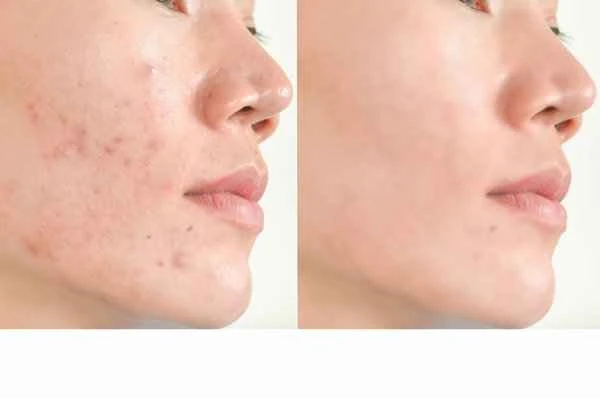
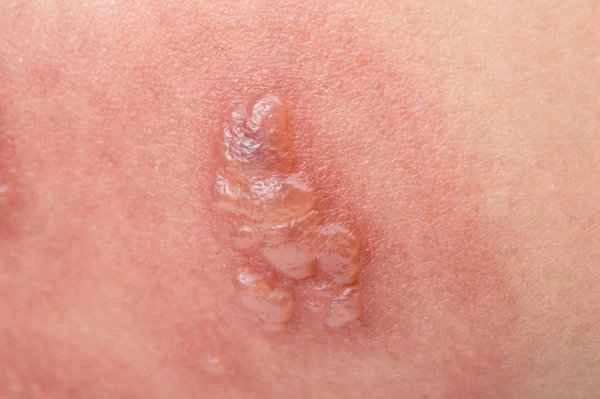
Spots on the neck can be caused by a variety of reasons, including skin diseases, allergic reactions, and environmental factors. This phenomenon may manifest as spots of different colors and sizes, sometimes accompanied by other symptoms.
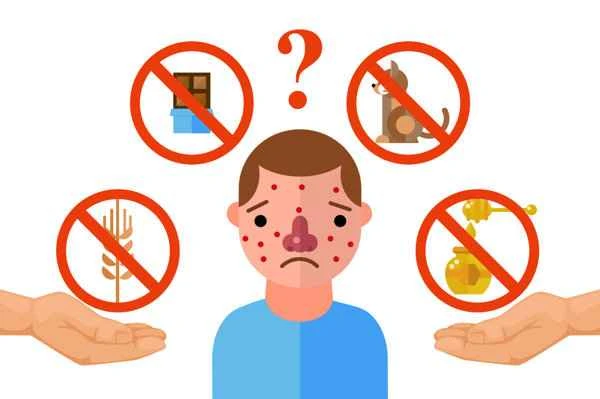
Spots on the neck can be related to skin conditions such as hyperpigmentation or seborrheic keratosis. Hyperpigmentation is usually associated with sun exposure, hormonal changes, or certain medications; the spots are darker in color and have irregular borders. Seborrheic keratosis presents as flat or slightly raised patches on the skin, ranging in color from light brown to black, and is common in middle-aged and elderly people. If the spots are accompanied by itching, pain, or changes in borders, it may indicate other skin conditions such as psoriasis or fungal infections.
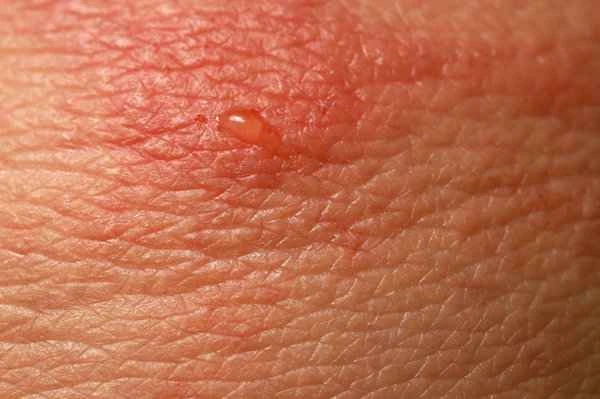
Another possibility is an allergic reaction, such as contact dermatitis or food allergies. Contact dermatitis is usually caused by contact with certain chemicals or plants, and the spots may be accompanied by redness, swelling, and itching. Food allergies may cause spots to appear after eating certain foods, accompanied by symptoms such as rashes and difficulty breathing. If symptoms include severe difficulty breathing, a swollen throat, or a systemic rash, immediate medical attention is necessary, as these could be signs of anaphylactic shock.

In addition to the above, environmental factors such as prolonged exposure to ultraviolet radiation, chemicals, or certain medications can also cause spots on the neck. These spots are usually related to sun exposure, environmental pollution, or drug side effects, and may be lighter in color and evenly distributed.
[Prevention Tips:]
1. Avoid prolonged exposure to strong sunlight and use sunscreen.
2. Pay attention to personal hygiene and avoid contact with known allergens.
3. Maintain a healthy lifestyle, eat a balanced diet, and avoid excessive intake of foods that may cause skin reactions.
4. Regularly observe changes in your skin and seek professional medical advice promptly.