Pityriasis versicolor is a superficial fungal infection of the stratum corneum of the skin caused by Malassezia.
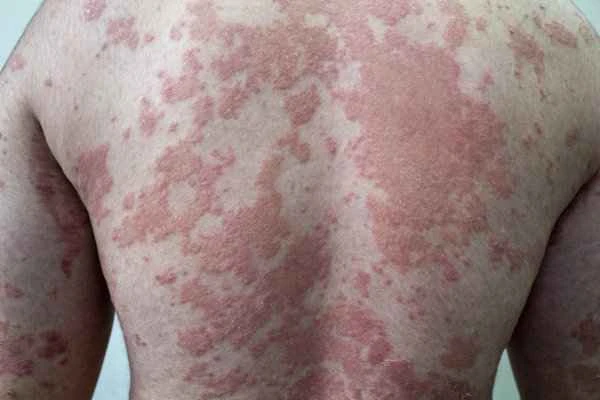
Pityriasis versicolor is caused by Malassezia infection. This fungus normally lives on the skin of healthy individuals, but when the body's immunity is weakened, such as during long-term use of corticosteroids or immunosuppressants, or in hot and humid environments, Malassezia can overproliferate and invade the stratum corneum, leading to inflammation and cell damage, thus triggering pityriasis versicolor. The main symptoms are round or irregular pale white patches on the skin, covered with fine scales, sometimes accompanied by mild itching. Lesions are most commonly found on the chest, back, and armpits, but can also appear on the face or other areas.
Diagnosing pityriasis versicolor involves examining a microscopic sample of scales from the affected area to check for fungal spores and hyphae. The doctor may also recommend fungal culture to identify the causative fungus. The primary goal of treating pityriasis versicolor is to eliminate the fungal infection. Commonly used treatments include topical antifungal creams such as clotrimazole cream and terbinafine hydrochloride gel. For severe cases, oral antifungal medications such as fluconazole tablets or itraconazole capsules may be necessary.
In daily life, maintain good personal hygiene habits, avoid prolonged exposure to high humidity environments, wear breathable clothing, and change underwear regularly to reduce the chance of fungal growth.