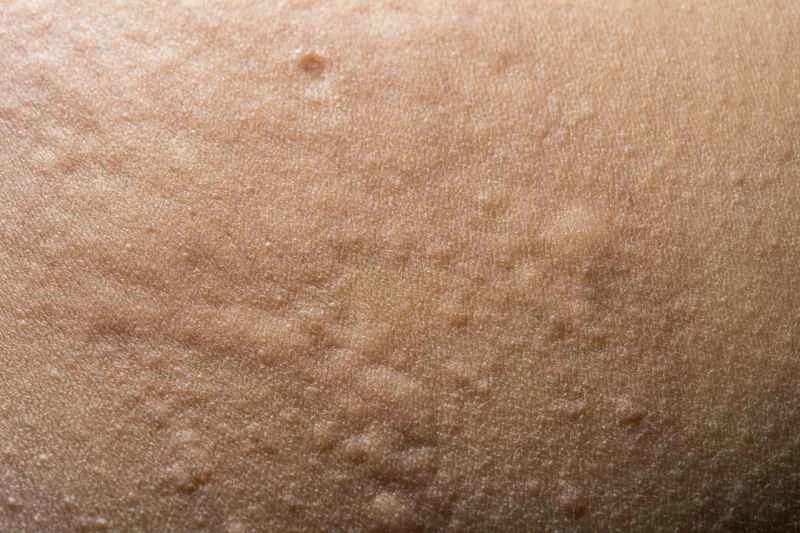
Whether or not alcohol can be consumed after seborrheic dermatitis has improved depends on its impact on skin health. Seborrheic dermatitis is a common skin condition related to genetics, environment, and diet. After the dermatitis has improved, drinking alcohol may have adverse effects on skin health because alcohol has a dehydrating effect, potentially exacerbating dryness and hindering the recovery process.
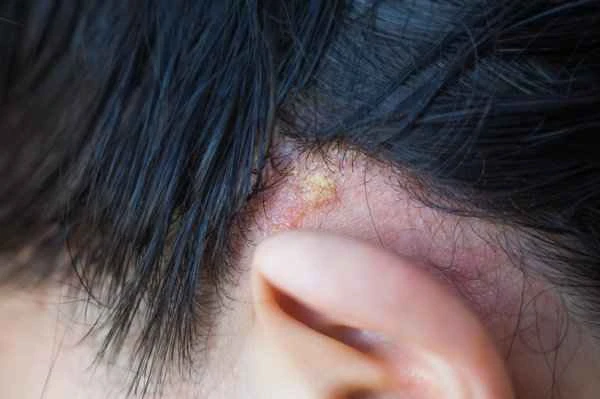
The dehydrating effect of alcohol can make the skin even drier, and since the skin of people with seborrheic dermatitis is already prone to dryness, this may lead to a recurrence or worsening of symptoms. Alcohol can also affect liver function, and the liver is an important detoxification organ in the body. Impaired liver function may affect the body's metabolism of drugs, thus affecting the treatment effect of dermatitis. Therefore, avoiding alcohol during the recovery period of dermatitis is a more prudent choice.
[Management Tip:]

1. Avoid alcohol consumption to reduce skin irritation and the burden on the liver.
2. Maintain good lifestyle habits, such as regular sleep and a healthy diet.
3. Regular follow-up visits are necessary to monitor skin condition and adjust the treatment plan as needed.