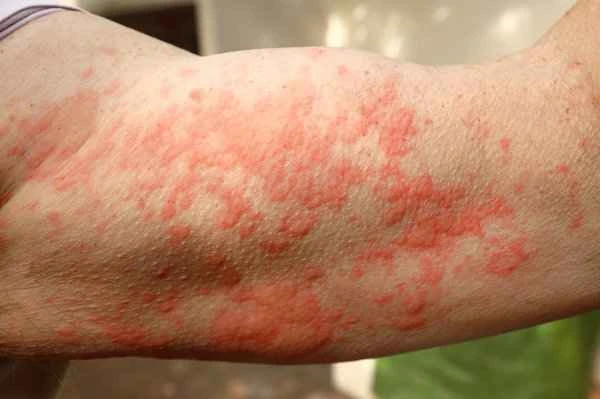
Shingles is a skin and nervous system disease caused by the varicella-zoster virus. It is important because it not only causes severe pain but can also lead to long-term neuralgia and other complications, impacting a patient's quality of life.
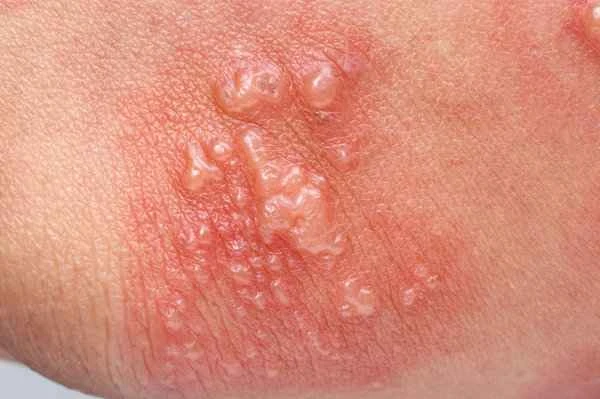
Shingles occurs when a person is first infected with the varicella-zoster virus, which remains dormant in nerve cells. When the body's immunity weakens, the virus reactivates and travels along nerve fibers to the skin's surface, forming the characteristic shingles rash and blisters. This reactivation of the virus not only causes skin symptoms but can also damage nerves, leading to long-term complications such as neuralgia.
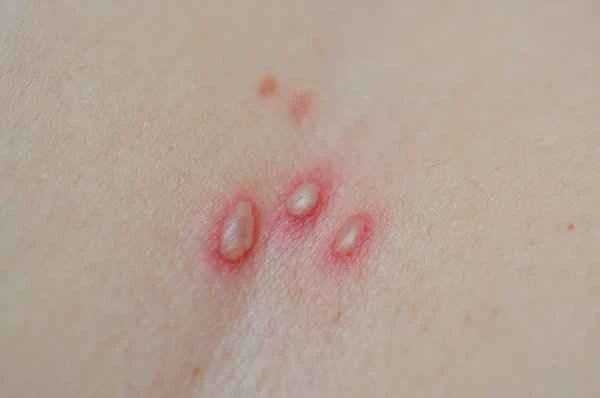
When facing shingles, understanding its symptoms and seeking timely medical attention are crucial. It's important to note that not all patients experience the same symptoms or consequences, so self-diagnosis or treatment based solely on symptoms is not advisable. The correct approach is to seek medical attention promptly for diagnosis and a personalized treatment plan from a professional physician. Simultaneously, patients should maintain a positive attitude, follow medical advice, use medication appropriately, and avoid excessive stress or anxiety, as these emotional states can also negatively impact recovery.
【Useful Tips:】
1. Maintain good personal hygiene habits, wash your hands frequently, and avoid contact with the rashes of patients with shingles.
2. If symptoms resembling shingles appear, such as a band-shaped rash and blisters on the skin, seek medical attention immediately.
3. Maintain good lifestyle habits, such as a balanced diet and moderate exercise, to enhance your immunity.
4. Patients who already have shingles should use antiviral drugs as prescribed by their doctor, and should pay close attention to changes in their condition and have timely follow-up visits.