The fastest way to promote scar healing lies in using appropriate care and treatment to accelerate wound healing and reduce scar formation. To achieve this goal, we need to understand the basic principles and mechanisms of scar healing, as well as the key measures to accelerate this process.
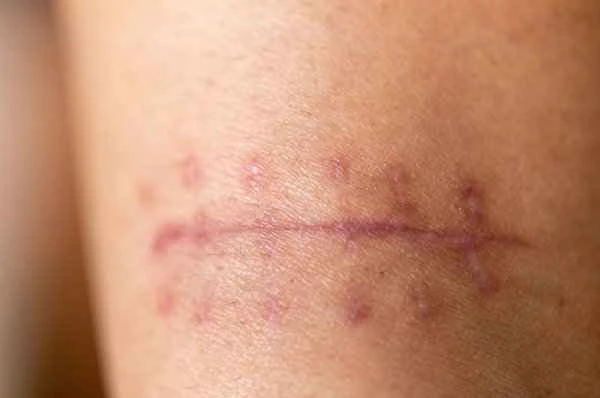
Scar healing is a complex biological process involving the interaction of multiple cells and molecules. During healing, a temporary repair structure, scar tissue, is first formed, composed of collagen and other extracellular matrix components. Promoting scar healing hinges on providing an environment conducive to cell proliferation and collagen synthesis. This includes keeping the wound clean, preventing infection, and enhancing the body's healing capacity through appropriate nutritional support. Using wound-healing medications or topical products, such as silicone-containing gels or patches, can effectively reduce scar formation and accelerate the healing process. These measures work together to promote scar healing and reduce scar formation and size.
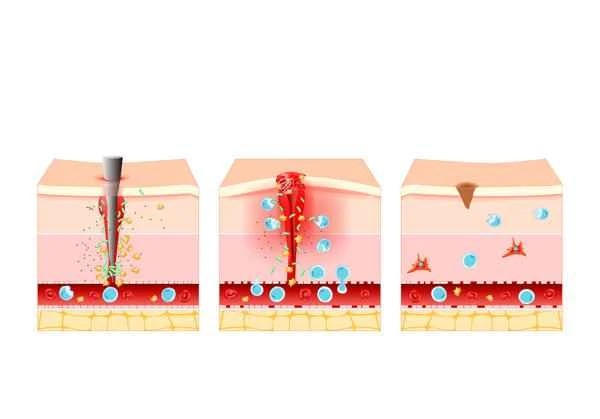
In managing scar healing, it's important to avoid some common misconceptions. Excessive friction or pressure can lead to scar tissue hyperplasia, resulting in thickened scars. While keeping the wound moist helps healing, over-moistening or prolonged immersion in water can increase the risk of infection. A balance of various factors is needed to ensure optimal healing outcomes in promoting scar healing.
[Management Tip:]
1. Keep the wound clean to prevent infection.
2. Use medications or topical products that promote wound healing.
3. Keep the wound moist, but avoid over-moistening it.
4. Avoid excessive friction or pressure to reduce scar tissue growth.