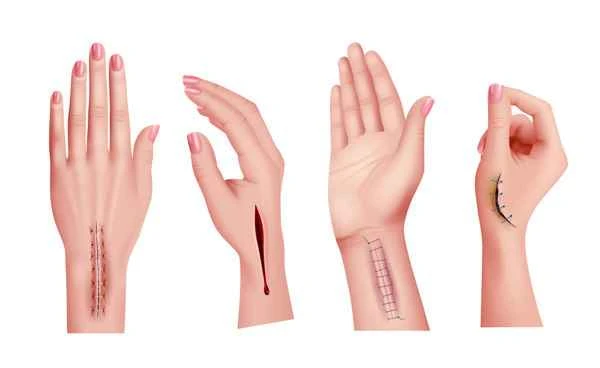
Treatment for bone atrophic scars primarily involves a comprehensive medical approach to improve and restore the function of the damaged bone. These scars are usually caused by problems during the fracture healing process, and treatment requires a holistic consideration of the bone's physiological needs, inflammation control, and factors that promote bone regeneration.
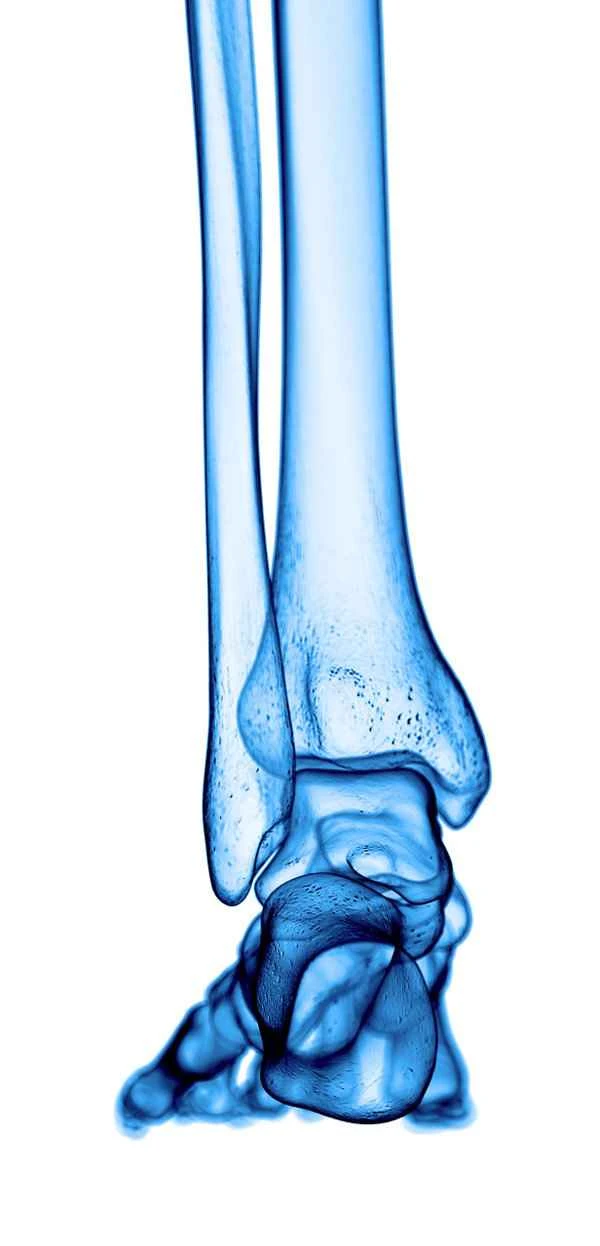
The core principles of treating atrophic bone scars include surgical intervention, drug therapy, and physical therapy. Surgical intervention primarily works by removing scar tissue, improving blood circulation to the bone, and promoting bone regeneration. Drug therapy mainly focuses on using medications that promote bone growth, such as bone morphogenetic proteins (BMPs), and anti-inflammatory drugs to reduce inflammation. Physical therapy, through appropriate exercise and rehabilitation training, helps restore bone function and strength. These treatments work together to target the bone and achieve the best therapeutic effect.
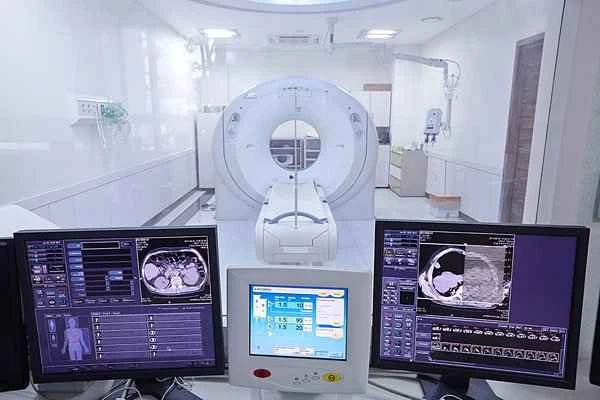
During treatment, patients may face some risks and misconceptions. For example, surgical treatment may carry risks such as infection and bleeding, while drug treatment requires strict dosage control to avoid side effects. Some patients may over-rely on drug treatment, neglecting the importance of surgery and physical therapy. During treatment, both doctors and patients need to comprehensively consider the advantages and disadvantages of various treatment methods to develop the most suitable treatment plan for the patient.
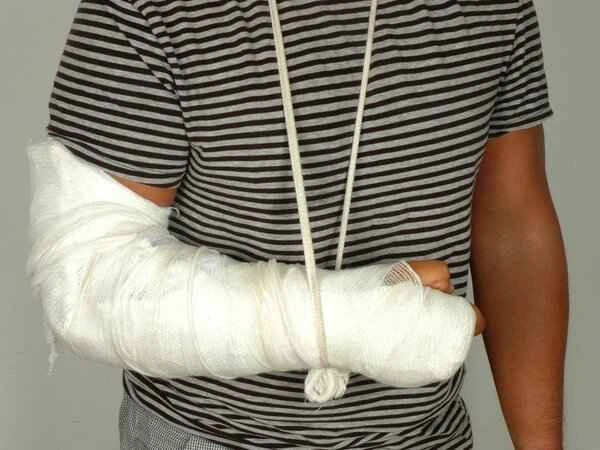
[Management Tip:]
1. Regular imaging examinations should be performed to monitor bone recovery.
2. Maintain appropriate exercise to promote bone health.
3. Take medication as prescribed by your doctor and be aware of any side effects.