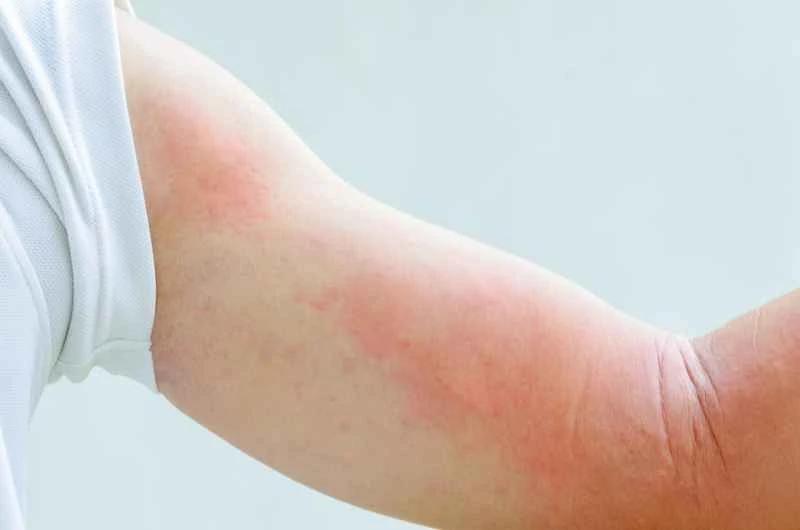
Scar tissue appears white because its internal structure and composition differ from normal skin tissue.
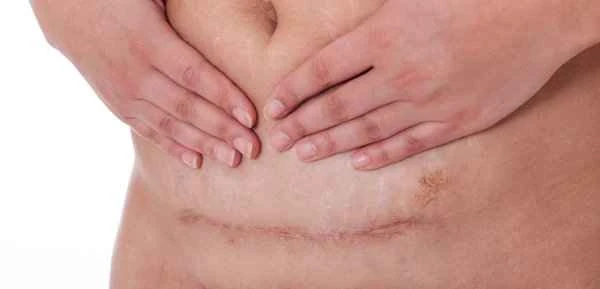
Scar tissue is composed of collagen fibers that are densely packed together during wound healing. Collagen, an important protein in the skin, is arranged in a highly ordered manner in scar tissue, forming a relatively dense structure. This structure results in less pigment distribution in scar tissue, lacking the melanin found in normal skin, thus giving it a white appearance. Scar tissue also has fewer blood vessels than normal skin, which reduces the impact of oxygen and nutrients from the blood on skin pigmentation, further contributing to the white appearance of scar tissue.

When treating scar tissue, in addition to its appearance, it's crucial to consider its function and health. For newly formed scars, keeping the wound clean and preventing infection are paramount. Using doctor-recommended scar care products, such as silicone sheets or gels, can help reduce redness and hardness, promoting maturation. Maintaining healthy lifestyle habits, such as a balanced diet, moderate exercise, and sufficient sleep, also contributes to wound healing and scar recovery.
[Life Tips:]
1. Keep the wound clean to prevent infection.
2. Use scar care products such as silicone sheets or gels.
3. Maintain a balanced diet to enhance the body's recovery ability.
4. Avoid excessive rubbing or stretching of the scarred area.