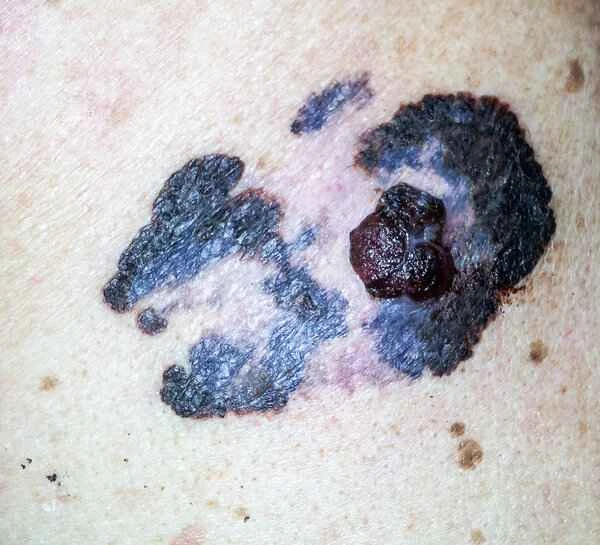
Treatment for superficial keloids mainly involves using various methods to reduce the size and discomfort of the keloids.

The core principle of treating superficial keloids is to reduce their growth and alleviate the discomfort they cause. Treatment methods include medication, surgical excision, laser therapy, radiation therapy, and injection therapy. Medication primarily uses topical corticosteroids to reduce inflammation and pain while inhibiting keloid growth. Surgical excision is a more direct method, but it has a high recurrence rate and is usually combined with other treatments to reduce the risk of recurrence. Laser therapy can reduce redness and hardness, improving appearance. Radiation therapy can inhibit keloid growth but should be used with caution to avoid potential side effects. Injection therapy involves injecting corticosteroids or other medications directly into the keloid to reduce its size and discomfort. These treatments can be used alone or in combination for optimal results.
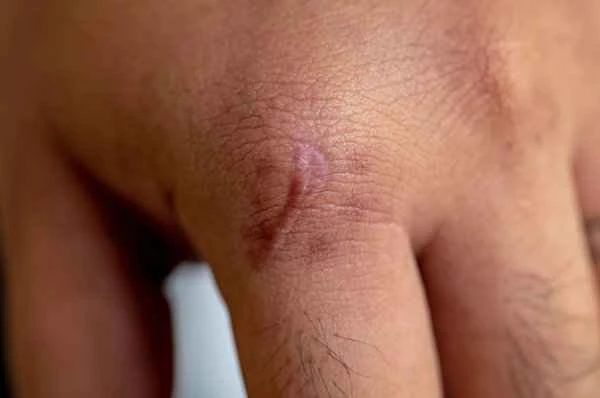
When treating superficial keloids, it's important to note that while these treatments can effectively alleviate symptoms, they cannot completely eliminate keloids. Side effects may occur during treatment, such as skin pigmentation and infection. Therefore, it's crucial to have a thorough consultation with your doctor before treatment to understand the risks and expected outcomes. Post-treatment care is also essential, including keeping the wound clean and avoiding strenuous exercise to promote healing and reduce the risk of recurrence.
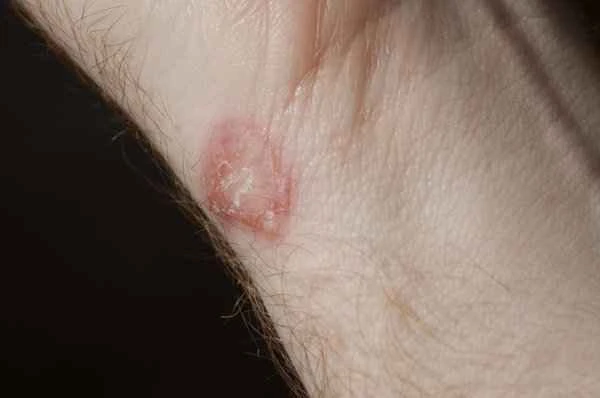
[Management Tip:]
1. Have regular follow-up visits and adjust the treatment plan according to the doctor's advice.
2. Keep the wound clean to prevent infection.
3. Avoid applying pressure or rubbing to keloids.
4. Pay attention to a healthy diet and avoid foods that may worsen keloids.