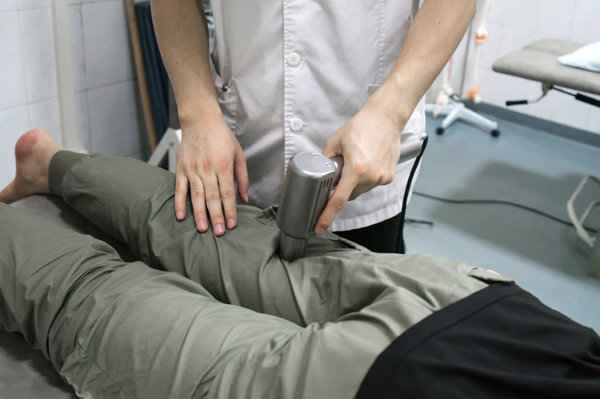
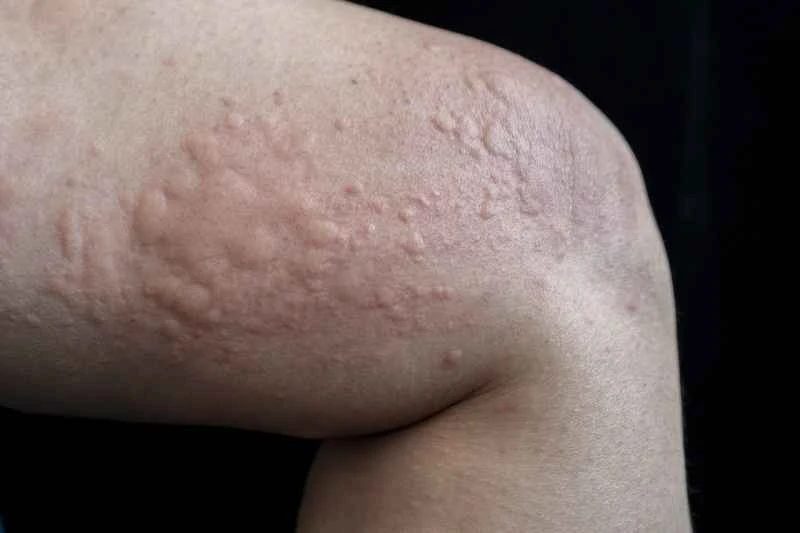
Atrophic adhesion scars are depressed scars that form during the healing process after skin injury. Treating these scars requires a comprehensive consideration of multiple treatment methods.
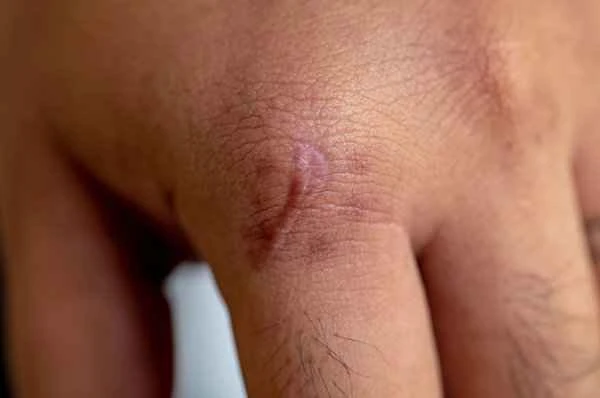
Treatment methods for atrophic scars mainly include medication, physical therapy, and surgery. Medication can promote skin repair and improve the appearance of the scar by using topical medications containing ingredients such as vitamin E and silicone. Physical therapy includes laser therapy and radiofrequency ablation, which stimulate collagen regeneration and improve the texture and smoothness of the scar. Surgical treatment is suitable for more severe atrophic scars, improving their appearance through methods such as scar tissue excision, subcutaneous fat grafting, or skin transplantation. These treatment methods can be used in combination; for example, medication and physical therapy can be used after surgery to promote healing and improve scar quality.
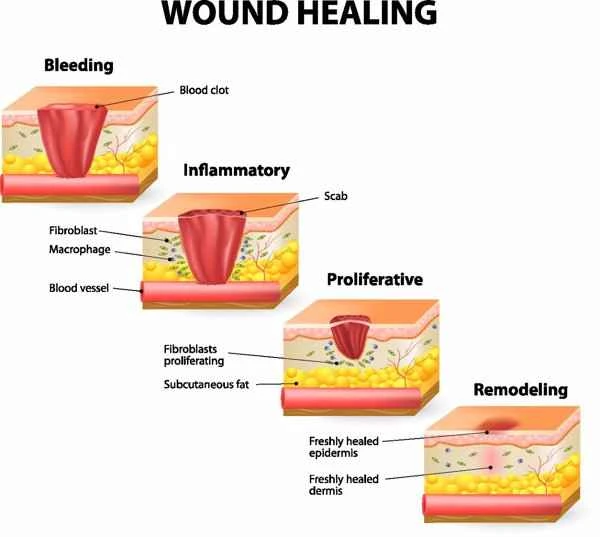
When treating atrophic adhesion scars, it's important to recognize that treatment effectiveness is influenced by various factors, including the type, location, and size of the scar, as well as individual differences. These factors must be considered comprehensively when choosing a treatment method, and treatment should be conducted under the guidance of a professional physician. Side effects or complications may occur during treatment, such as infection and hyperpigmentation; therefore, close monitoring and timely management of any problems are necessary throughout the treatment process.
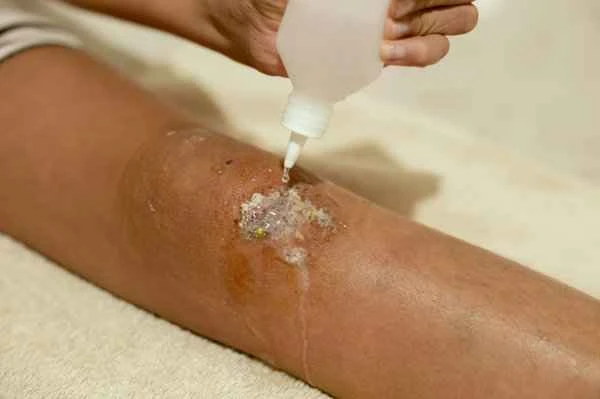
[Management Tip:]
1. Have your scars assessed regularly at the hospital and choose the appropriate treatment method based on your doctor's advice.
2. Pay attention to daily care and avoid friction or irritation to the scarred area.
3. Maintain good lifestyle habits and avoid smoking and drinking to promote skin health.
4. If redness, swelling, pain or other abnormal symptoms occur, seek medical attention promptly.