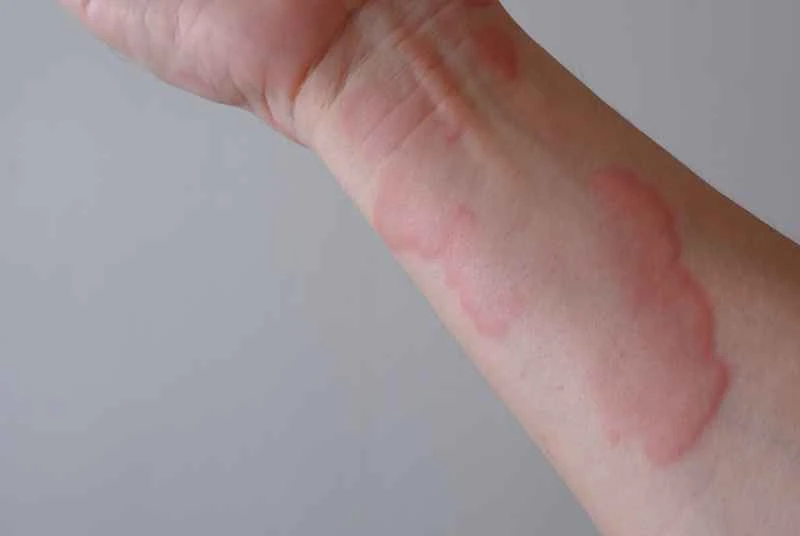
It is normal to have raised flesh after mole removal to some extent, but the specific situation needs to be judged in combination with individual constitution and treatment method.
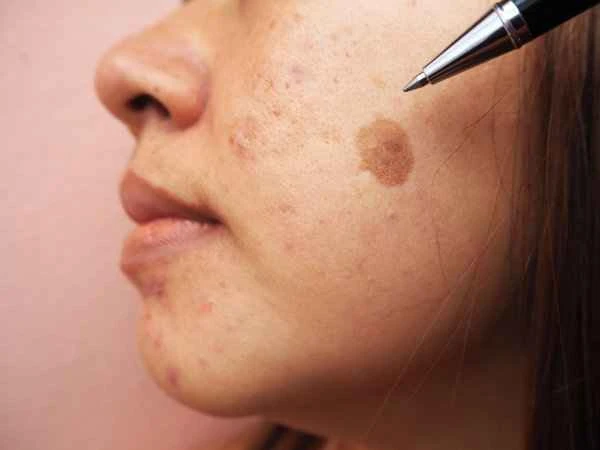
Raised skin after mole removal is usually caused by scar tissue forming during the healing process. Scar tissue is a natural response of the body to trauma and helps the wound heal, but in some cases it can lead to protrusion. This phenomenon is more common in some people, especially during the healing process when the body may produce too much collagen, causing the skin to bulge. Raised skin can also occur if deeper tissues are damaged during mole removal. In such cases, the raised skin usually fades gradually within a few months, but sometimes it may persist and become a permanent scar.
Treating or managing this type of raised bump requires considering several factors. Keeping the wound clean and providing proper care is crucial to avoid infection and other complications. Medications or treatments that promote wound healing and reduce scarring, such as silicone-containing patches or gels, can be considered. These methods can help reduce scar tissue formation, thus lessening the severity of the bump. It's important to note that everyone's skin response is different, so it's best to consult a dermatologist before taking any treatment measures for personalized advice and a suitable treatment plan.
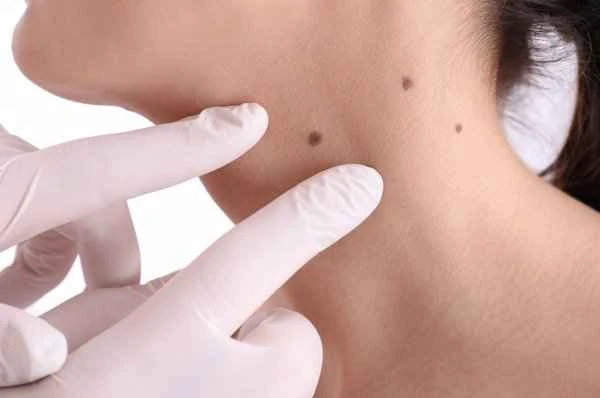
[Management Tip:]
1. Keep the wound clean to prevent infection.
2. Use silicone-containing patches or gels to promote wound healing and reduce scar formation.
3. Regularly observe changes in the bulge, and seek medical attention promptly if any abnormalities are found.