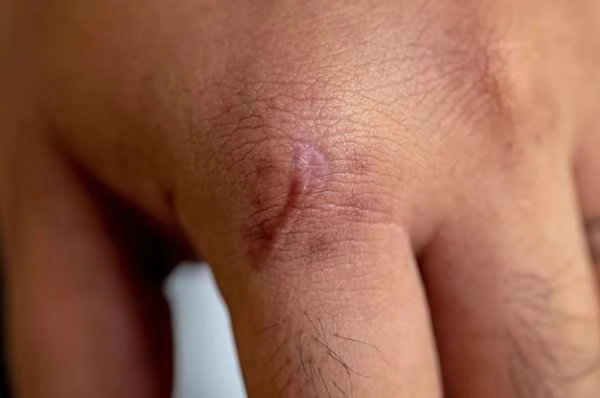
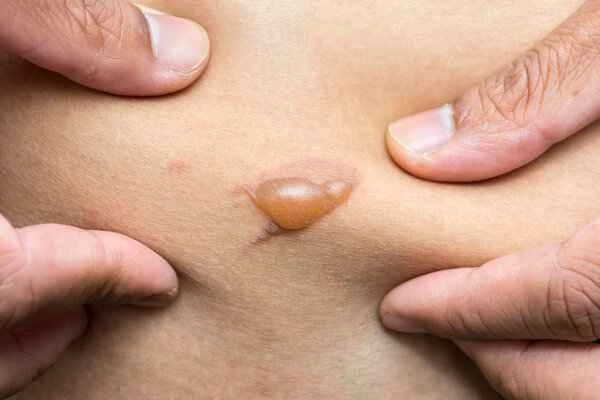
Enlargement of a scrotal melanocytic nevus can be caused by a variety of reasons, including benign growth, inflammatory response, or more serious skin lesions. This condition requires serious attention because changes in melanocytic nevi may be associated with skin cancer.

Enlargement of a scrotal melanocytic nevus may be due to benign growth of the nevus itself. This is usually asymptomatic; the nevus gradually increases in size without causing pain or other discomfort. However, it could be associated with an inflammatory response, where the enlargement may be accompanied by redness, swelling, pain, or itching. If the symptoms include rapid enlargement, uneven coloring, irregular borders, or ulceration, the possibility of malignant melanoma should be considered. This is a serious form of skin cancer and requires immediate medical attention.
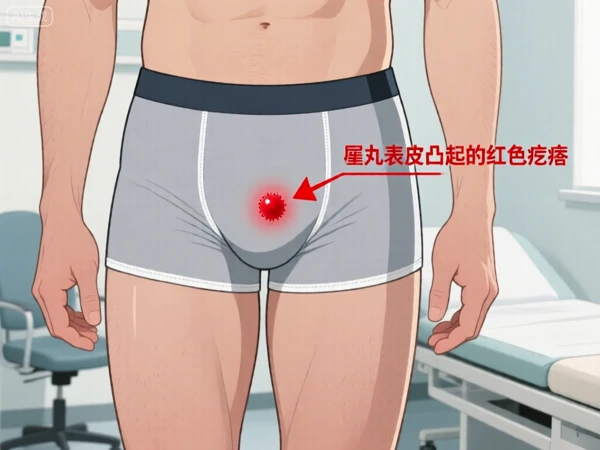
Enlargement of a scrotal melanocytic nevus can also be associated with local friction, infection, or other skin conditions. These conditions are usually accompanied by local discomfort or symptoms of infection, such as redness, swelling, pain, or discharge. If the color, shape, or size of the nevus changes significantly, especially if it becomes asymmetrical, has irregular borders, is multicolored, or is larger than 6 millimeters in diameter, you should seek immediate professional medical diagnosis and treatment.
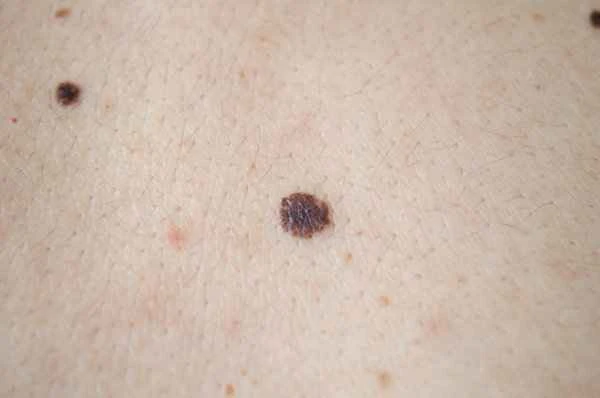
Patients must know that changes in melanocytic nevi may indicate potential health risks, especially when the characteristics of the nevus change, such as darkening in color, becoming irregular in borders, or experiencing symptoms like pain or bleeding. In such cases, immediate medical attention is crucial. Common misconceptions include believing that all changes in moles are benign or that changes are normal and require no attention. In reality, any change in a mole should be taken seriously, and a professional medical evaluation should be sought promptly.
[Prevention Tips:]
1. Regularly perform self-examinations of the scrotum area, paying attention to any changes in the color, shape, and size of moles.
2. Avoid friction or damage to the mole area, and wear loose and comfortable underwear.
3. Maintain good personal hygiene habits to avoid infection.
4. Have regular skin checkups, especially if you have melanocytic nevi, to detect and treat any abnormal changes promptly.