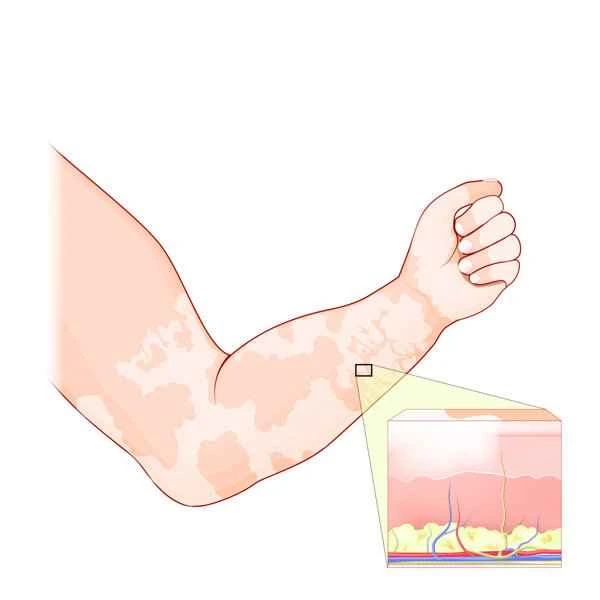
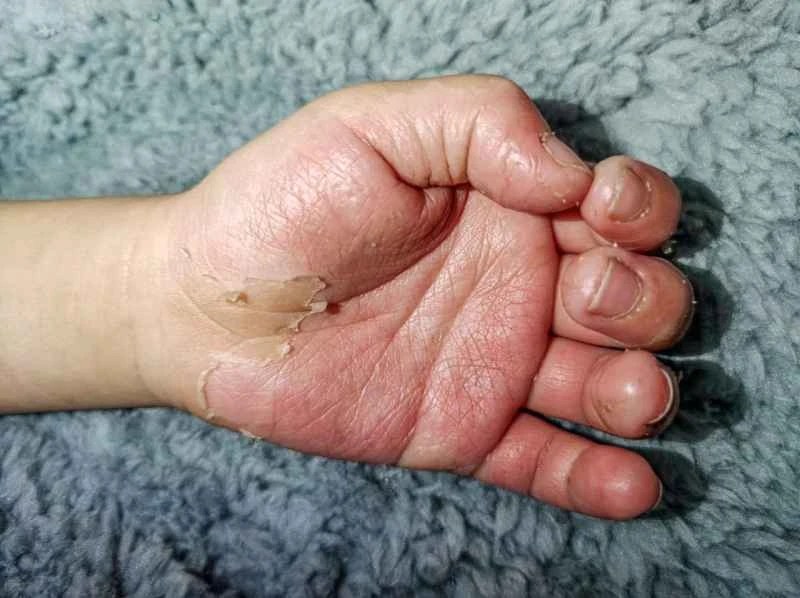
While widespread eczema doesn't necessarily indicate a blood problem, it is certainly a cause for concern. Eczema is a common inflammatory skin condition, typically characterized by redness, itching, and scaling. Although the causes of eczema are complex, including genetic factors, environmental factors, and immune system responses, blood problems are not a direct cause.

Certain blood disorders or changes in blood composition can indirectly affect skin health, thus triggering eczema. For example, blood problems such as anemia, leukemia, and thrombocytopenia can cause dry, itchy, and inflamed skin, symptoms similar to eczema. If eczema is accompanied by fatigue, paleness, skin pallor, or bruising, it may indicate a blood problem. These symptoms may also be related to other health issues, therefore a comprehensive evaluation by a professional physician is necessary.
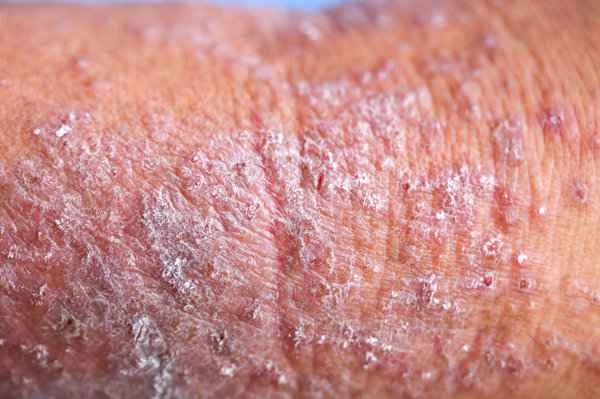
When dealing with generalized eczema, it's important to recognize the limitations of self-diagnosis. Eczema can be caused by a variety of factors, including allergies, environmental irritants, and stress, and blood problems are just one possibility. When eczema appears all over the body, especially if symptoms persist or worsen, you should seek medical attention promptly for a comprehensive examination to rule out or confirm the possibility of blood problems. Avoid self-medicating, as this may mask symptoms and interfere with the doctor's diagnosis.

[Prevention Tips:]
1. Maintain good personal hygiene habits and avoid using skin care products that may cause allergies.
2. Pay attention to a balanced diet and increase your intake of foods rich in vitamins and minerals, such as fresh vegetables and fruits.
3. Reduce exposure to known allergens and irritants, such as tobacco smoke and dust mites.
4. Maintain moderate exercise to enhance the body's immunity and reduce stress.