The effectiveness of hair loss treatment depends on a variety of factors, including the cause and severity of the hair loss, as well as the individual's overall health. Effective hair loss treatment typically involves a comprehensive approach, including lifestyle modifications, medication, and potential surgical interventions. These methods work together to address each stage of the hair loss process in order to achieve the best possible results.
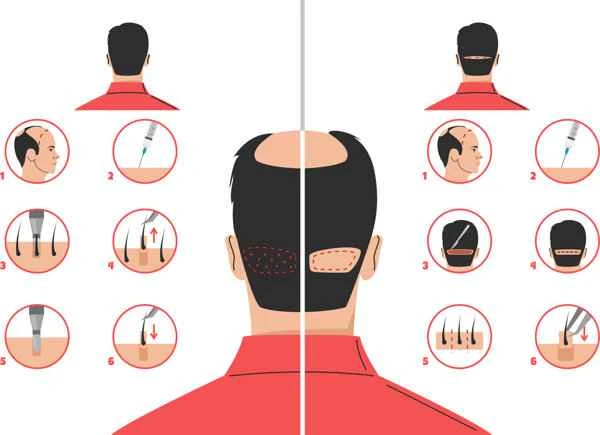
The core of hair loss treatment lies in identifying the cause. Hair loss can be caused by a variety of factors, including genetic factors, hormonal changes, malnutrition, stress, certain medications, or diseases. Once the cause is determined, targeted measures can be taken. For example, if hair loss is caused by hormonal imbalance, medication may be needed to regulate hormone levels; if it is due to malnutrition, dietary adjustments to supplement necessary nutrients may be necessary. Drug treatments such as minoxidil and finasteride are widely used to treat androgenetic alopecia, promoting hair growth or slowing the hair loss process through different mechanisms. In some cases, if hair loss has reached a more severe stage, surgical procedures, such as hair transplantation, may need to be considered to improve appearance.
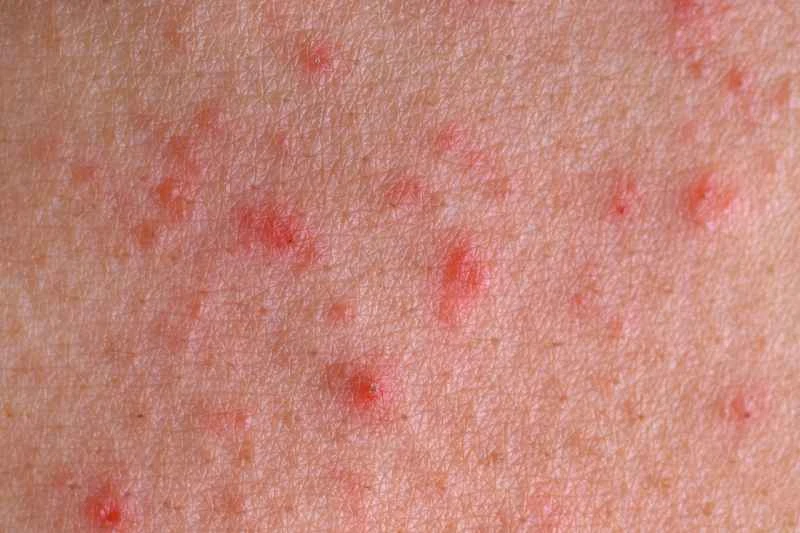
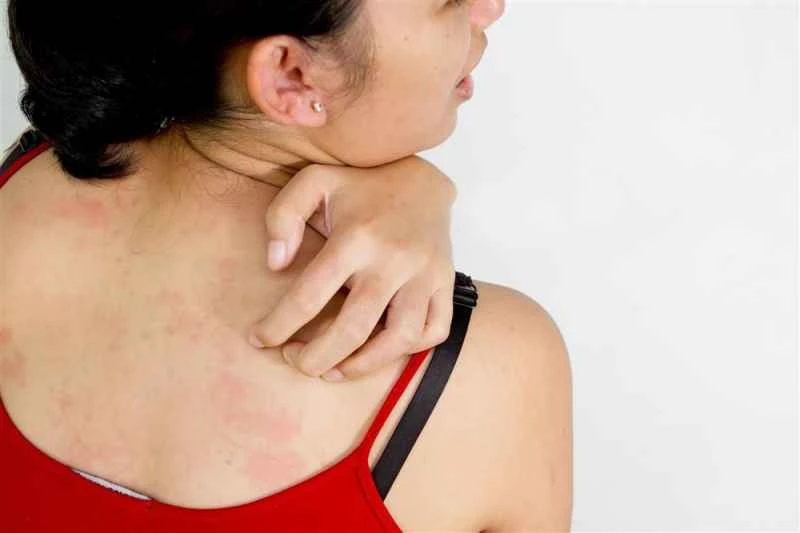
During the treatment of hair loss, patients need to understand that it is a long-term process that may involve certain risks and side effects. For example, medication may cause scalp irritation, allergic reactions, or other adverse reactions. Treatment effectiveness may also vary from person to person; some treatments may be effective for some but not for others. When choosing a treatment method, patients should fully understand the advantages and disadvantages of various approaches and make decisions under the guidance of a professional doctor. At the same time, avoid blindly following trends and do not easily believe in treatments or products without scientific basis to avoid unnecessary losses.
[Management Tip:]
1. Have regular checkups of your scalp and hair to detect early signs of hair loss.
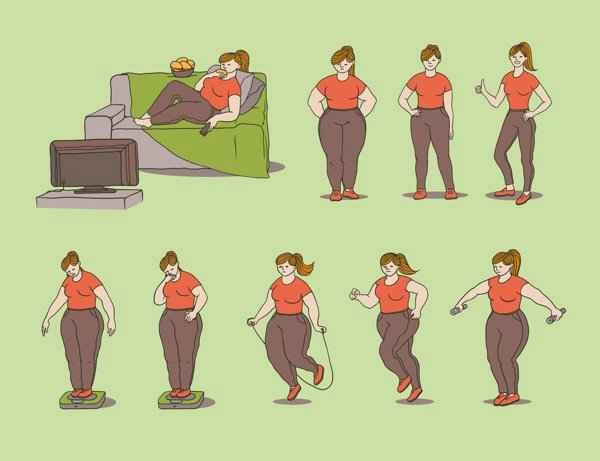
2. Maintain a healthy lifestyle, including a balanced diet, moderate exercise, and sufficient sleep.
3. Reduce stress. Try meditation, yoga, or other relaxation techniques to help relieve stress.
4. If severe hair loss or other abnormalities occur, seek medical advice promptly.