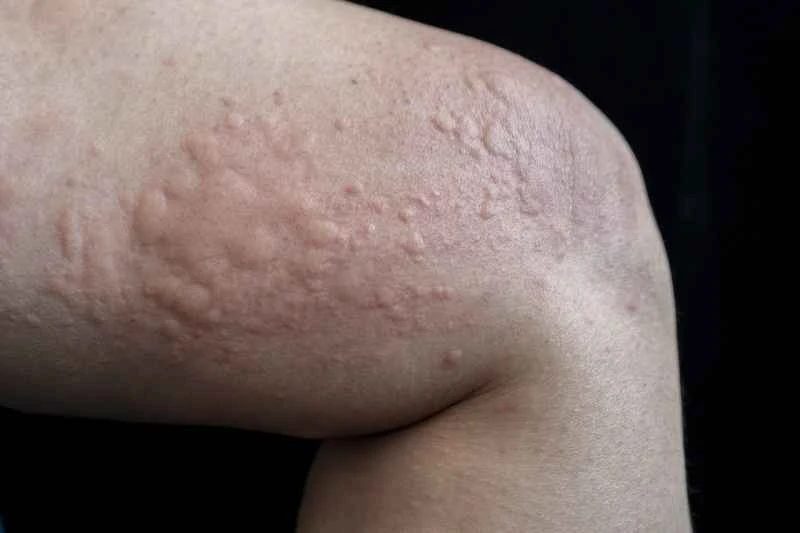
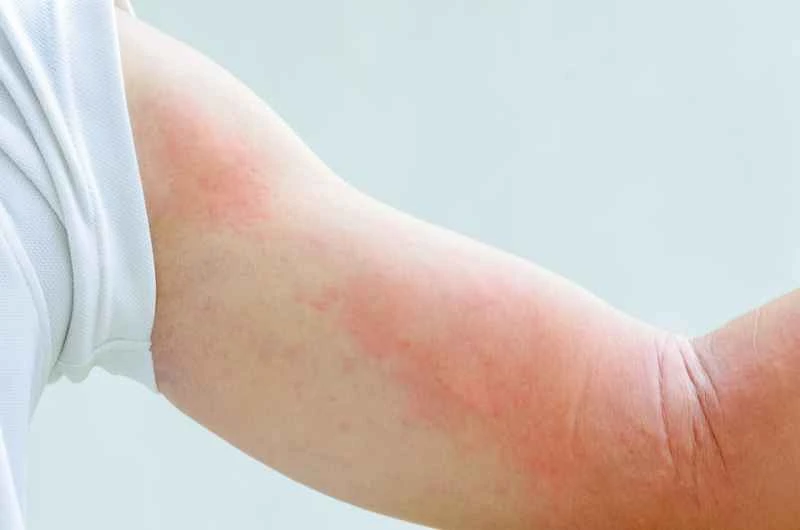
Scar removal can be achieved through various methods, including drug therapy, physical therapy, and surgical treatment. These methods are all based on the skin's regenerative capacity and the characteristics of scar tissue.
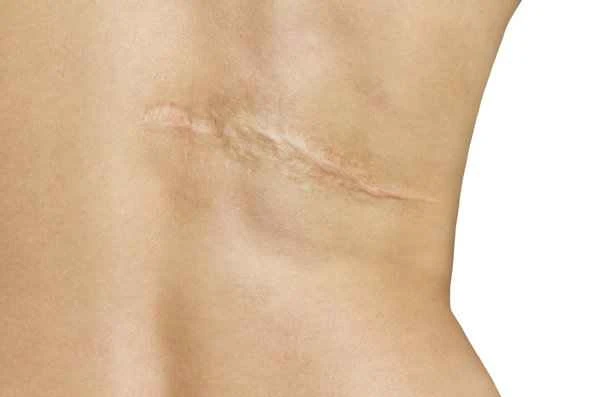
Scar tissue is the result of skin's self-repair after injury. It is composed of a large amount of collagen, has a firmer texture than normal skin, and is often darker in color. When the skin is injured, the body initiates a repair mechanism to form scar tissue. This repair is not perfect and sometimes leads to hypertrophic scarring or keloid formation. These scars not only affect appearance but can also cause pain or itching. Treatment for scars mainly focuses on inhibiting the excessive growth of scar tissue and promoting the skin's normal repair process, thereby reducing or eliminating scars.
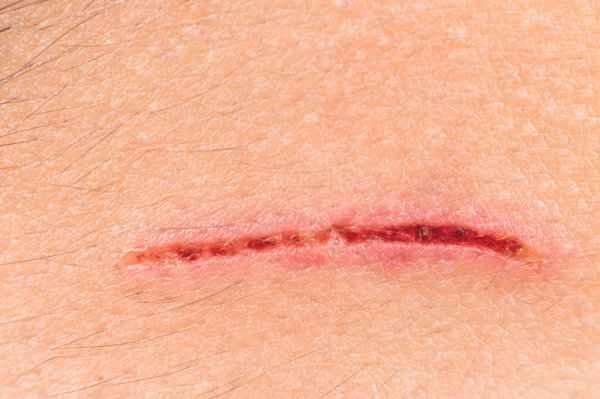
For scar treatment, the following measures can be taken: Keeping the wound clean and avoiding infection helps reduce scar formation. Using silicone-containing patches or gels can help keep the scar area moist, reducing scar tissue formation. Topical application of corticosteroid creams or corticosteroid injections can reduce redness and hardness of the scar. For more severe scars, laser treatment, cryotherapy, or surgical excision may also be considered. Each of these methods has its advantages and disadvantages, and the most appropriate treatment method should be chosen based on the specific condition of the scar and the individual's health condition.
[Life Tips:]
1. Keep the wound clean to prevent infection.
2. Use silicone patches or gels to help keep the scar area moist.
3. For more severe scars, consult a doctor to see if laser treatment or surgical removal is suitable.