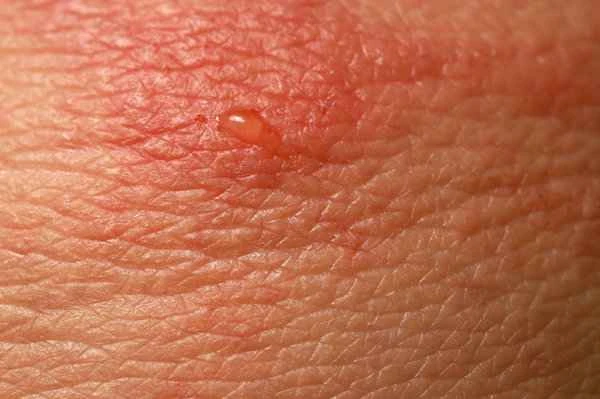
Urticaria is not contagious, so there's no need to worry about spreading it to others through daily contact. It's a common allergic skin reaction, and patients are advised to seek medical attention promptly to identify the triggers and take precautions in daily life.

1. The cause is not contagious: Urticaria is mainly caused by allergic reactions to food, drugs, infections, or physical stimuli, or is related to the body's immune status. It is not directly caused by pathogens such as bacteria or viruses, and therefore is not contagious.

2. Symptoms are easily misunderstood: Red or pale wheals appear on the skin, accompanied by intense itching, sometimes appearing quite severe. These conspicuous symptoms may be mistaken for an infectious disease, but they are actually just an individual's immune response.
3. Everyday contact is safe: Ordinary contact such as living together, shaking hands, and sharing items will not transmit urticaria. Its occurrence depends on individual constitution and specific triggers, and is unrelated to contact with an infected person.
If you or a family member has urticaria, it is recommended to record any foods or environmental factors that may trigger symptoms and use medication to relieve itching under the guidance of a doctor. Avoid scratching your skin, and wearing loose cotton clothing can help reduce irritation. Maintaining a regular sleep schedule and relaxing can also play a positive role in preventing recurrence.