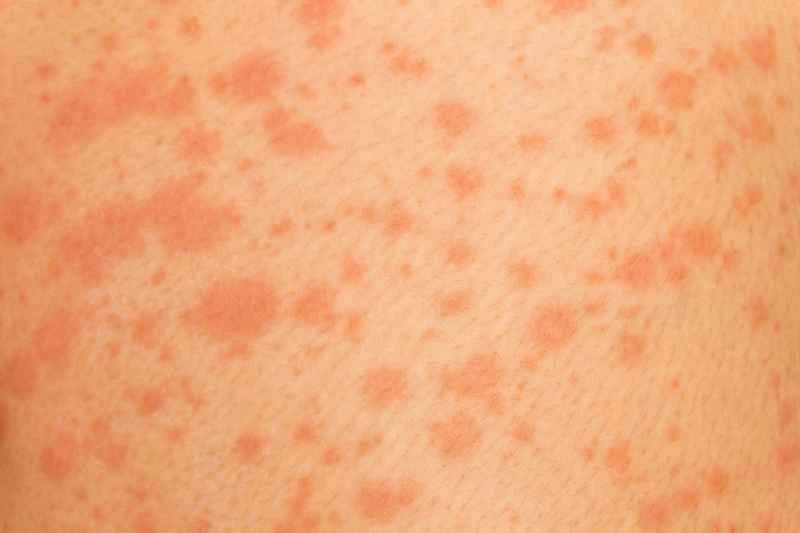
Urticaria is usually caused by factors such as allergies, infections, or physical irritants, and is generally not contagious to children. If you or your child develop symptoms, it is recommended to seek medical attention promptly to determine the cause.
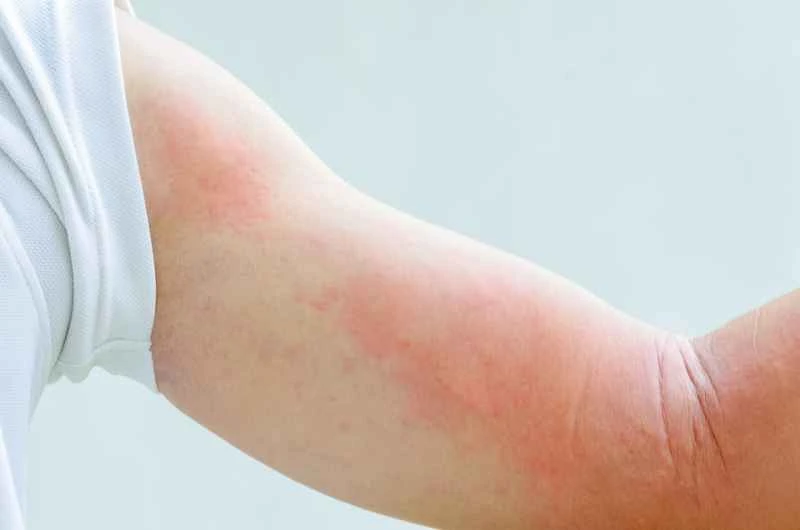
Specific reasons may include:

1. Allergic reactions: such as food, drugs, pollen, etc. triggering the body's immune response.
2. Infectious factors: Viral or bacterial infections may trigger skin symptoms.
3. Physical stimuli: Friction, pressure, temperature changes, etc., can affect the skin.
4. Other factors: Emotional fluctuations, endocrine changes, etc. may also be involved.
Since urticaria is not a contagious disease, it will not be transmitted through everyday contact. However, please note:
- If caused by an infection, the primary infection may spread through the corresponding route, but the skin wheals themselves are not contagious.
When multiple family members experience symptoms, it is more likely due to shared exposure to allergens rather than transmission between them.
We suggest you record your child's diet, environment, and activities during the flare-up to help your doctor determine the cause; avoid scratching the skin and wear loose clothing; if your child develops a similar rash, observe whether it subsides on its own, but if it persists or worsens, consult a doctor. Keeping your home environment clean and reducing exposure to known allergens can help relieve symptoms.