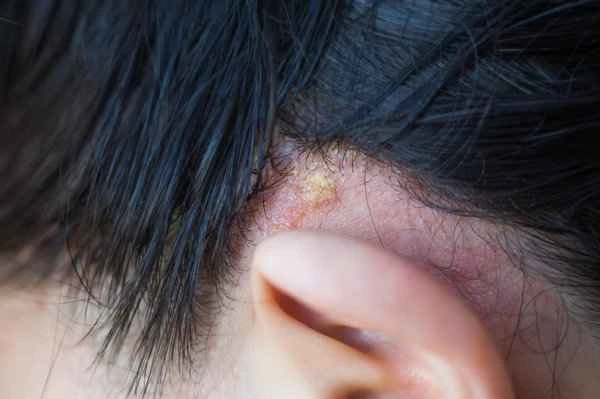
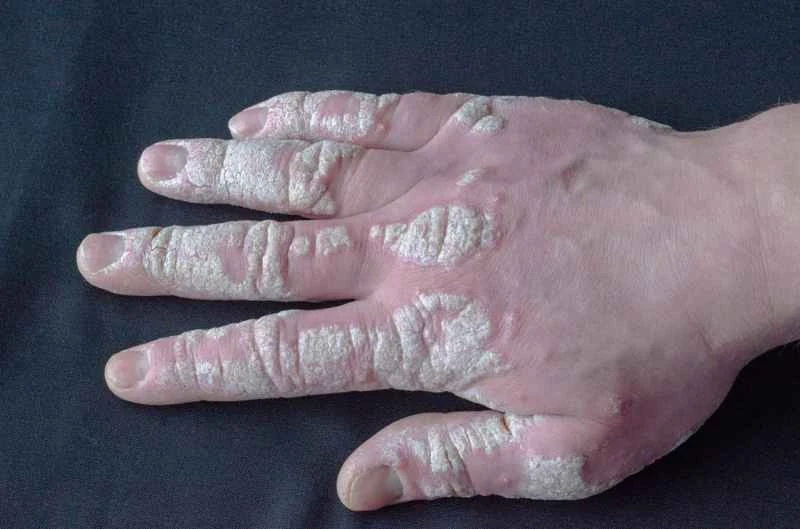
The main reason why urticaria occurs at night is the combined effect of physiological changes in the body at night and environmental factors.
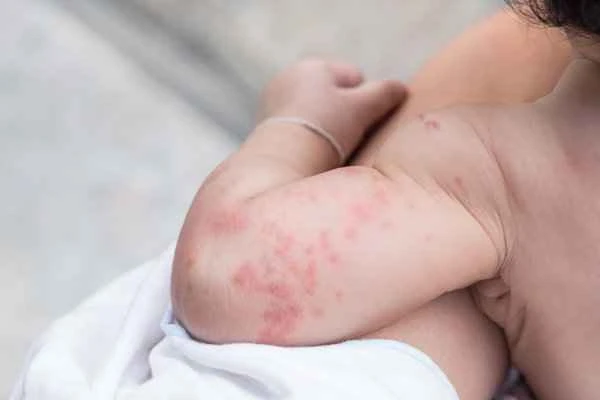
Urticaria, or hives, is a common allergic skin reaction characterized by red or skin-colored patches that are usually accompanied by intense itching. The occurrence of urticaria is related to a variety of factors, including allergens, environmental factors, and the body's internal biological clock. Nighttime flare-ups may be due to the body being at rest at night, making the immune system more sensitive and leading to a stronger reaction to allergens. Dry air, temperature changes, and allergens that may be present in the bedroom (such as dust mites and pet dander) can also be triggering factors. At night, the body's adrenaline levels decrease, which may increase the body's sensitivity to inflammatory responses, thus triggering urticaria.

Treating urticaria requires a comprehensive approach, considering both medication and lifestyle modifications. Medication may include antihistamines, which effectively relieve itching; however, it's important to note that different types of antihistamines can have different side effects, such as drowsiness. Avoiding known allergens is key to preventing urticaria flare-ups. There are also potential risks associated with treating urticaria, such as the possibility of dependence or drug resistance with long-term use of certain medications, which must be managed under a doctor's guidance. Furthermore, some patients may mistakenly believe that urticaria is just a minor skin problem, ignoring the possibility that it may be linked to more serious health issues, such as certain autoimmune diseases. Therefore, urticaria treatment should be conducted under the guidance of a professional physician to ensure safety and effectiveness.
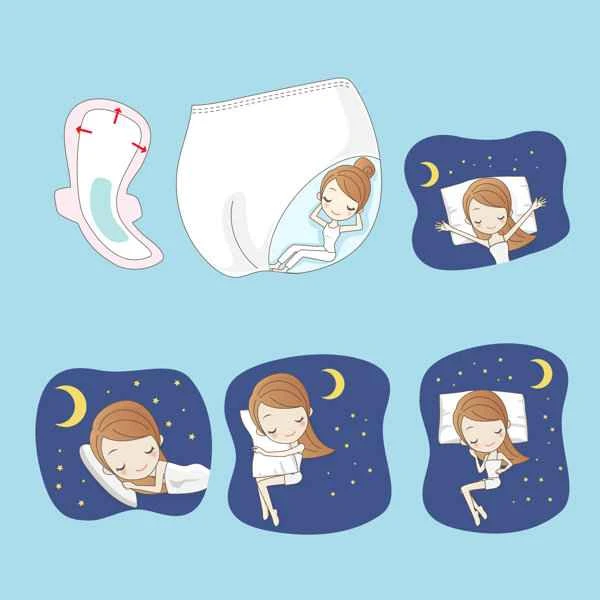
[Management Tip:]
1. Pay attention to personal hygiene, wash bedding regularly, and reduce exposure to allergens.
2. Keep the indoor air humid and avoid making the air too dry.
3. Avoid known allergens, such as certain foods, medications, or environmental factors.
4. If persistent or worsening urticaria symptoms occur, seek medical attention promptly.