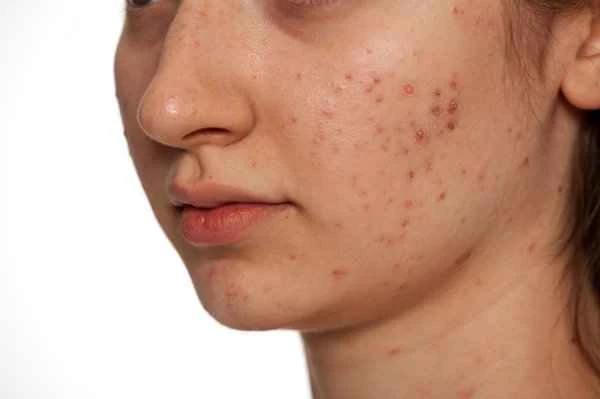
Choosing the right medication can speed up recovery when you have acne, but the key is to identify the type and cause of the acne.

Acne formation is typically related to factors such as excessive sebum secretion, abnormal follicular keratinization, bacterial infection, and inflammatory responses. Acne treatment often requires a multi-pronged approach, including regulating sebum secretion, promoting normal follicular keratinization, inhibiting bacterial growth, and reducing inflammation. Common medications include topical retinoids, benzoyl peroxide, and antibiotics, as well as oral antibiotics and isotretinoin. These medications work through different mechanisms; for example, retinoids can promote normalization of the stratum corneum and reduce follicular blockage; benzoyl peroxide can kill Propionibacterium acnes; and antibiotics can inhibit bacterial growth and reduce inflammation. These medications need to be prescribed by a doctor based on the specific type and cause of acne and used appropriately to achieve the best treatment results.
When choosing medications to treat acne, it's important to be aware of potential side effects and risks. For example, retinoids may cause dry skin and peeling; benzoyl peroxide may cause skin irritation and allergic reactions; and antibiotics may lead to gut microbiota imbalance. When using these medications, it's crucial to follow a doctor's guidance and choose and use them appropriately based on your individual circumstances to avoid unnecessary side effects and risks.
[Management Tip:]
1. Choose the appropriate medication based on the type of acne.
2. Be aware of the potential side effects and risks associated with the medication.
3. Have regular follow-up visits and adjust the treatment plan according to the doctor's advice.