For urticaria, it is recommended to consult a dermatologist. If the hospital has specialized departments, you can also choose the allergy or hypersensitivity department within the dermatology department. The following are specific instructions:

1. Dermatology is the first choice: Urticaria mainly manifests as wheals and erythema on the skin, accompanied by itching, which are common symptoms of skin diseases. Dermatologists have extensive experience in diagnosing and treating this type of condition.
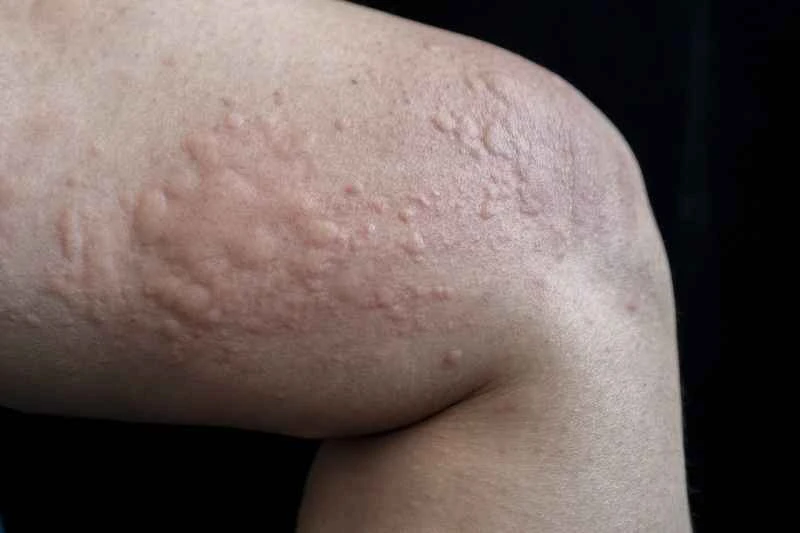
2. Consider consulting an allergist: Some cases of urticaria are related to allergic factors. If your rash recurs frequently, or you suspect it is related to food, medication, or environmental factors, you can consult an allergist (or hypersensitivity specialist) for more targeted allergen testing and management.
3. Pay attention to special circumstances: If urticaria is accompanied by obvious chest tightness, difficulty breathing, abdominal pain or dizziness or other systemic discomfort, you should go to the emergency department immediately to prevent a serious allergic reaction.
Before your appointment, you can briefly record the time and appearance of the rash, possible triggers (such as diet or contact with allergens), and your medication history. This will help your doctor make a more accurate diagnosis. In daily life, avoid scratching your skin and wear loose-fitting cotton clothing to help reduce discomfort.