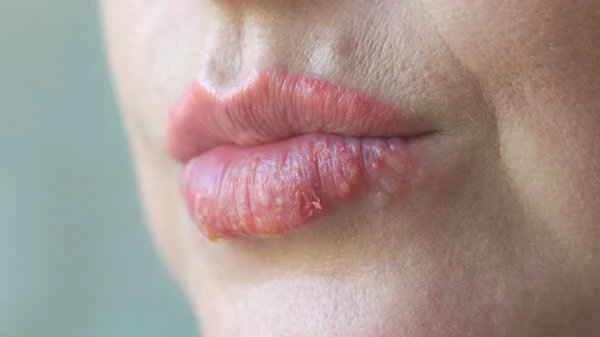
The removal of lip scars usually involves multiple factors, including the type of scar, its cause, and the individual's physical condition. Lip scars may be caused by trauma, surgery, burns, or certain skin conditions. To remove these scars, it is first necessary to understand their cause and type.
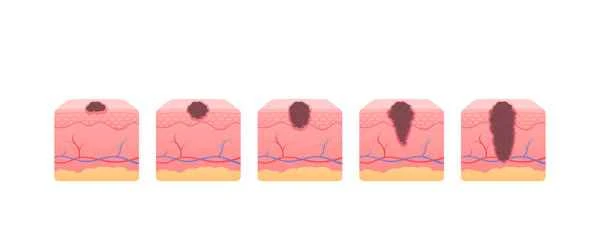
If the scar is mild, you can try using topical medications, such as ointments containing vitamin E, silicone, or corticosteroids. These can help improve the appearance and texture of the skin. For more severe scars, more aggressive treatments may be necessary, such as laser therapy, microneedling, or chemical peels. These methods can promote skin regeneration and reduce the visibility of the scar. If the scar continues to enlarge, darken in color, or is accompanied by discomfort such as pain or itching, you should consider seeking help from a doctor, as this may be a sign of hypertrophic scarring or keloids.
When treating lip scars, it's important to recognize individual differences; different treatments may have varying effects on different people. If signs of infection appear, such as redness, swelling, pustules, or fever, while self-treating the scar, seek medical attention immediately. Avoid using unproven home remedies or non-professional treatments, as these may worsen the scar.
[Prevention Tips:]
1. Avoid lip trauma, such as avoiding biting your lips and reducing lip friction.
2. Maintain good wound care. Once the lips are injured, clean them promptly and apply an antibacterial ointment.
3. Pay attention to a healthy diet and avoid consuming too much sugar and processed foods to reduce inflammatory responses.
4. Use sunscreen regularly to protect your lips and avoid UV damage to your skin.