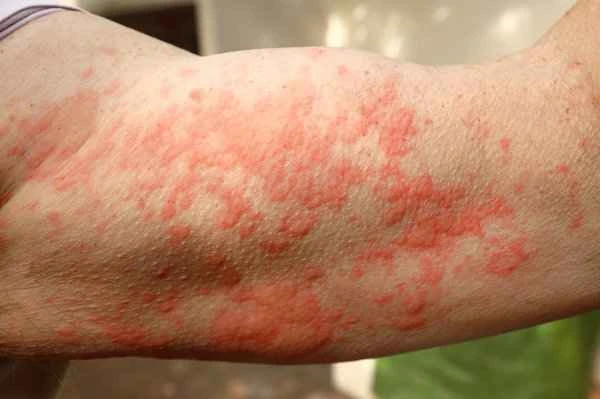
Psoriasis has a certain genetic predisposition, but it is not guaranteed to be passed on to children. By understanding the risks scientifically and taking preventative measures, the likelihood of a child developing the disease can be reduced.
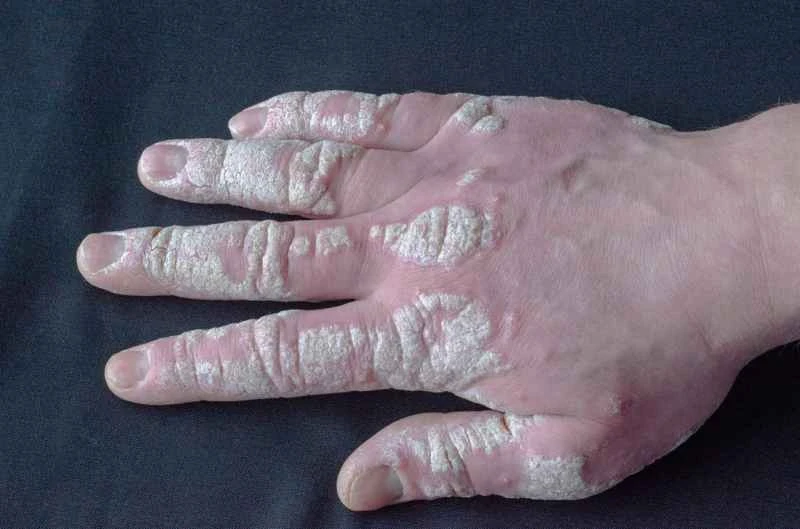
1. Genetic risk objectively exists: If one parent has the disease, the probability of their children having the disease may be slightly higher than that of the general population; if both parents have the disease, the probability will increase, but most children carrying the genetic background will not develop the disease.
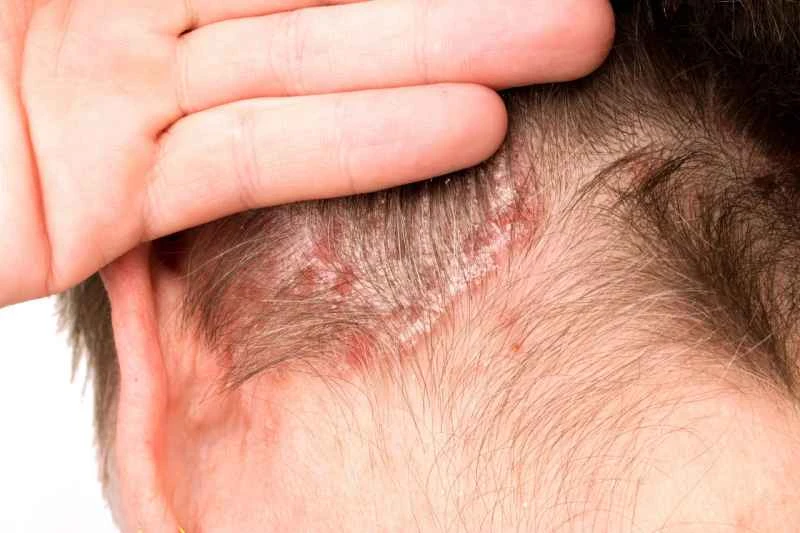
2. The onset of the disease is influenced by multiple factors: environmental triggers often induce the disease, such as infection, mental stress, and skin damage. Even with a genetic background, avoiding these triggers can reduce the chance of developing the disease.
3. Prevention focuses on lifestyle management: Keep children's skin moisturized and avoid excessive dryness; maintain a balanced diet and strengthen exercise to enhance immunity; reduce stress and create a relaxed family atmosphere.
4. Early observation and timely medical attention: If a child develops abnormal dandruff or erythema, they should be examined by a doctor as soon as possible so that a professional doctor can determine the situation. Do not use medication on your own.
It is recommended to pay attention to health from the time of pregnancy, and after the child is born, to cultivate good living habits and have regular skin checks. If there is a family history of the condition, consult a doctor for precautions, and maintain a calm attitude to avoid excessive anxiety.