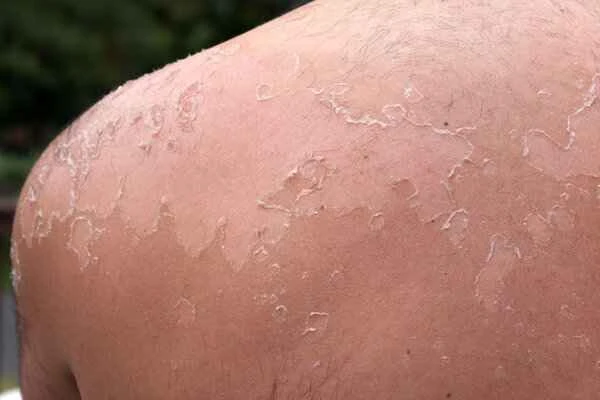
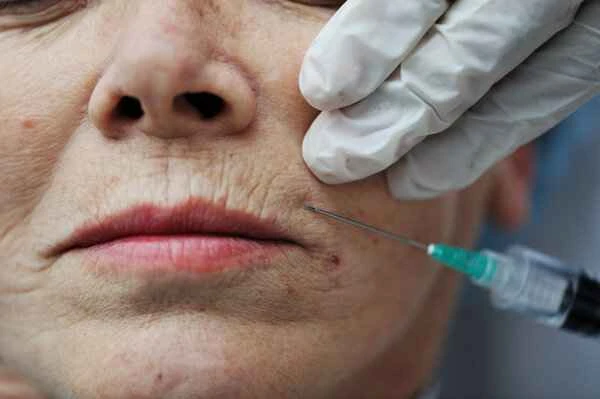
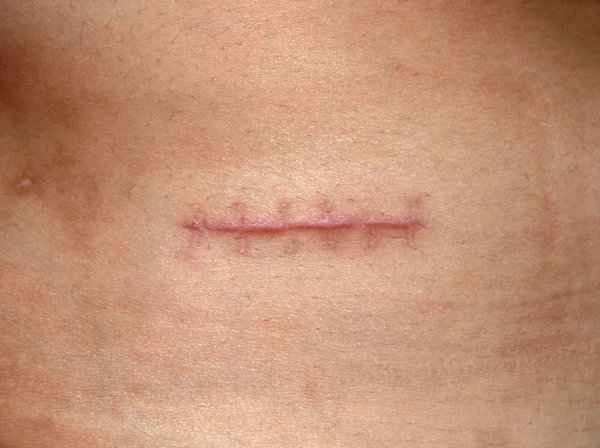
Postoperative scar hyperplasia refers to the excessive growth of scar tissue during the wound healing process after surgery, caused by various factors. Removing postoperative scar hyperplasia requires a comprehensive approach considering multiple treatment methods, including medication, physical therapy, and surgical intervention.
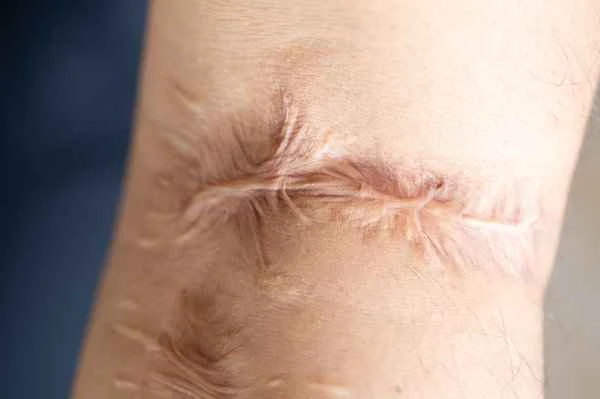
The core of treating postoperative hypertrophic scars lies in inhibiting the excessive growth of scar tissue and promoting the repair of normal skin tissue. Drug therapy is a commonly used method, including topical corticosteroids and silicone gels. These medications can reduce inflammation and inhibit fibroblast proliferation, thereby reducing scar formation. Physical therapies such as pressure therapy and laser therapy can improve blood circulation in the skin, promote skin tissue regeneration, and reduce scarring. For some severe cases of hypertrophic scarring, surgical excision of the scar tissue may be necessary, followed by skin grafting or the use of skin replacement materials to promote the regeneration of normal skin tissue.
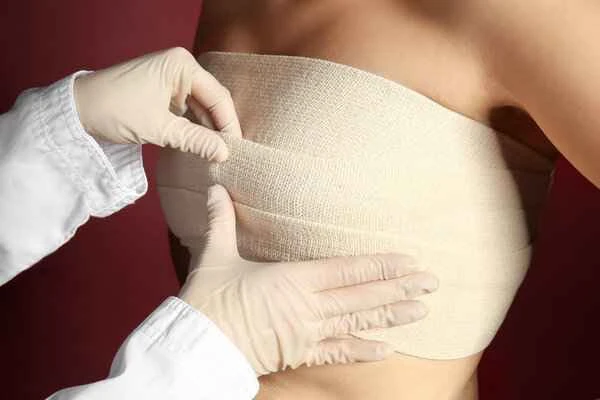
In treating postoperative hypertrophic scars, it's important to note that not all hypertrophic scars can be completely removed, especially mature scars where treatment effectiveness may be limited. Side effects may occur during treatment, such as thinning of the local skin and hyperpigmentation. Therefore, when choosing a treatment method, it's crucial to comprehensively consider the patient's specific situation and treatment risks, communicate thoroughly with the doctor, and develop a personalized treatment plan.
[Management Tip:]
1. Conduct regular scar assessments to monitor scar hyperplasia.
2. Use medication as prescribed by your doctor and avoid increasing or decreasing the dosage on your own.
3. Keep the wound clean to prevent infection and promote healing.
4. Seek medical attention promptly if redness, swelling, pain, or other abnormal symptoms occur.