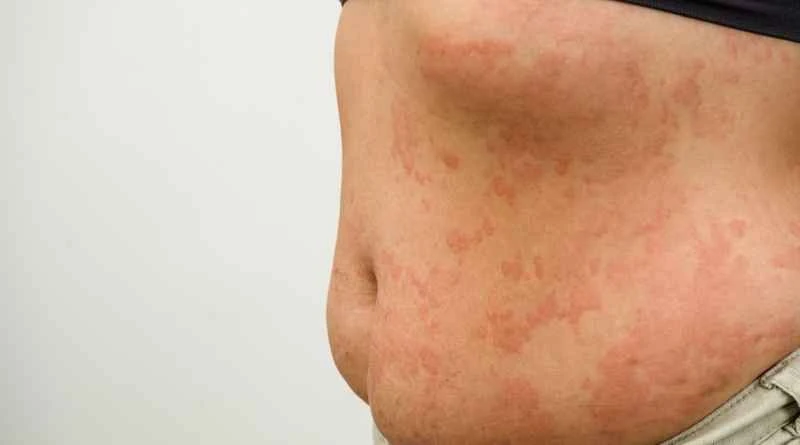
For hemorrhoids accompanied by anal eczema, it is usually necessary to choose appropriate ointments for relief under the guidance of a doctor, based on the specific symptoms. It is generally recommended to first identify the root cause of the problem before considering the use of eczema ointments containing soothing and repairing ingredients or medications specifically for hemorrhoids; if necessary, they can be used in combination.

1. Differentiate symptom predominance: If the anal area is primarily affected by eczema, characterized by redness, swelling, itching, and scaling, a mild eczema cream can be used, such as a product containing zinc oxide or moisturizing and repairing ingredients, to help relieve itching and protect the skin. If hemorrhoid symptoms are prominent, such as swelling and pain, a hemorrhoid cream prescribed by a doctor should be used. Common ingredients include local anesthetics or medications to reduce congestion.

2. Avoid irritation: Many hemorrhoid creams may contain fragrances or preservatives, which may worsen discomfort if you have eczema. When choosing a product, prioritize those with simple, non-irritating ingredients and keep the affected area clean and dry.
3. The Importance of Combined Care: Using ointment alone may not cure the problem; lifestyle adjustments are necessary. For example, gently clean yourself after using the toilet, avoid prolonged sitting, wear loose-fitting cotton underwear, and increase dietary fiber intake to reduce irritation to the anal area during bowel movements.
In general, the most effective approach is to consult a doctor for a personalized diagnosis and medication. Never use steroid creams long-term without medical advice, as this may mask the underlying condition or lead to skin dependence. Proper daily care, combined with appropriate medication, will better alleviate discomfort and promote recovery.