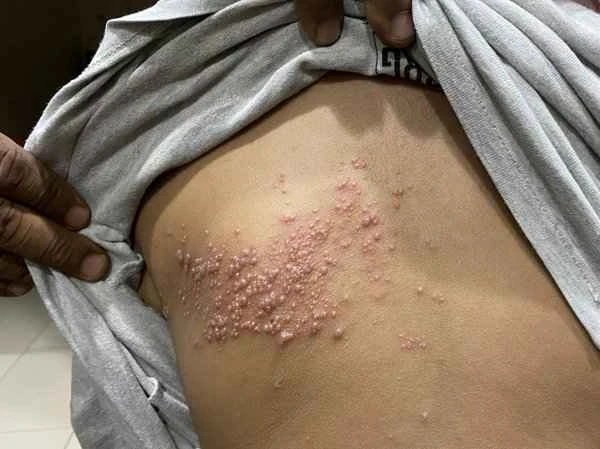
Can skin grafts be used to treat vitiligo? Simply put, vitiligo is a common skin disease characterized by pigment loss, and skin grafting is not a primary treatment method. However, in certain specific cases, skin grafting may be considered as an adjunct therapy.
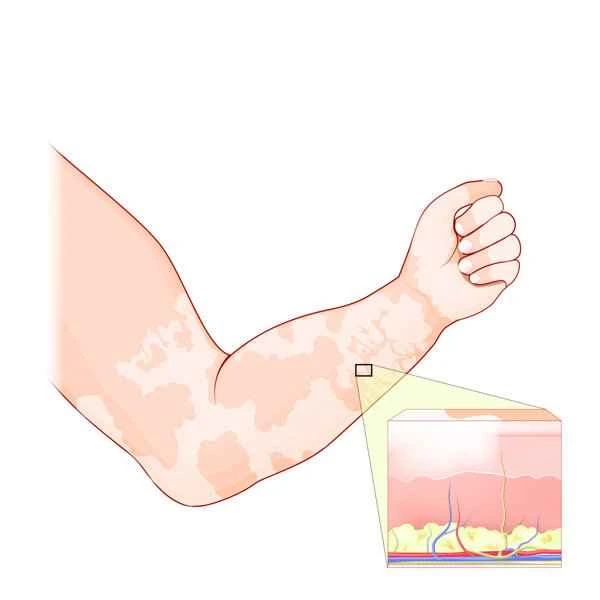
In the treatment of vitiligo, the main methods include medication, phototherapy, and laser therapy. Skin grafting, as a surgical procedure, is primarily used to treat large-area skin damage or burns. For vitiligo patients, if the local skin damage is severe and other treatments are ineffective, doctors may consider skin grafting to repair the damaged skin. This surgery does not directly restore pigmentation, and the pigmentation recovery of the transplanted skin is difficult to predict. The application of skin grafting in vitiligo treatment is limited, and its suitability for the patient needs to be determined based on their specific circumstances.
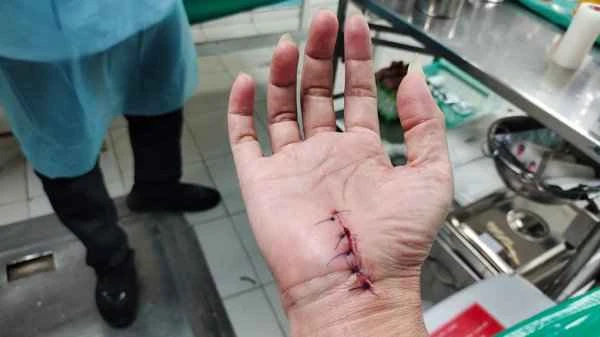
When considering skin grafting as a treatment option, patients need to understand the risks and limitations of the procedure. Skin grafting may carry risks such as infection, bleeding, and scarring. Because vitiligo is an immune system-related disease, even after skin grafting, the transplanted skin may be attacked by the body's own immune system, leading to pigment loss and failing to achieve the desired therapeutic effect. Skin grafting does not address the underlying cause of pigment loss; therefore, postoperative pigmentation recovery is unstable and may recur.

[Management Tips]
1. Have regular professional check-ups at the hospital to assess the progression of your condition.
2. Maintain good lifestyle habits and avoid irritating the skin.
3. If you notice any changes in skin color or if your condition worsens, you should seek medical advice promptly.