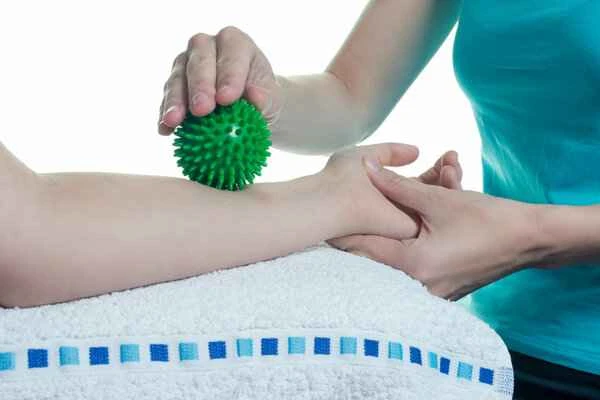
Removal of severe keloids requires a comprehensive treatment approach, including medication, surgery, and radiation therapy. Keloids are excessively proliferating scar tissue that typically occurs after skin trauma or surgery, particularly on areas such as the earlobe, shoulder, and chest. The core of treating severe keloids lies in inhibiting the excessive growth of scar tissue through various methods while minimizing treatment side effects.
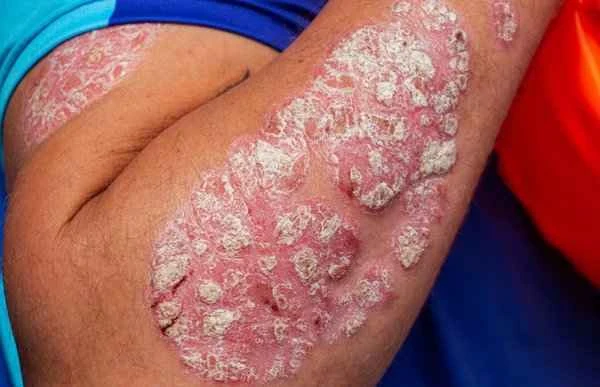
When treating severe keloids, doctors will choose the appropriate treatment method based on the specific condition of the scar. Drug therapy is a common approach, including corticosteroid injections to reduce inflammation and inhibit scar tissue growth. Surgical treatment involves removing the scar tissue; however, it's important to note that surgery can lead to regrowth of the scar tissue, so it's often combined with other treatments, such as radiation therapy or the use of silicone sheets, to reduce the risk of recurrence. Radiation therapy uses low-dose radiation to inhibit scar tissue growth, but this method carries certain risks, including potential skin damage and long-term side effects. Laser therapy and cryotherapy are also commonly used treatments, reducing scar tissue growth through different mechanisms. These treatments can have synergistic effects; for example, corticosteroid injections can reduce inflammation after surgical excision, while radiation therapy can further inhibit scar tissue growth, resulting in better treatment outcomes.
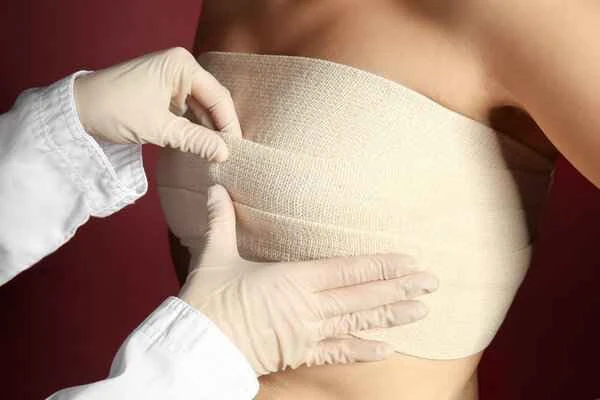
During the treatment of severe keloids, patients may encounter some potential risks and misconceptions. Complications such as hyperpigmentation and infection may occur during treatment, requiring thorough communication and evaluation with the doctor before treatment. Some patients may believe that surgical excision is the only effective treatment, but in reality, comprehensive treatment often achieves better results. Finally, post-treatment care is equally important. Patients need to follow their doctor's instructions for proper wound care and regular follow-up examinations to ensure treatment effectiveness and reduce the risk of recurrence.
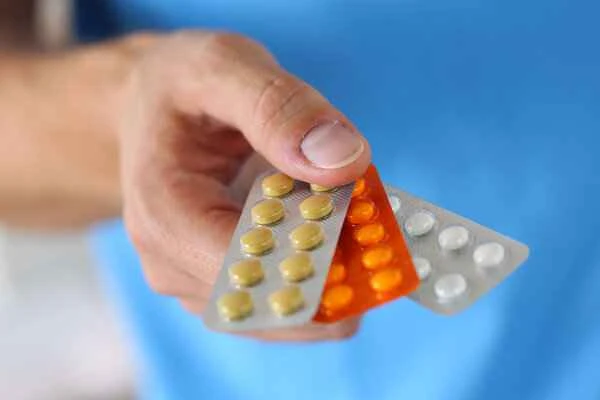
[Management Tip:]
1. Regular follow-up examinations to monitor changes in scar tissue.
2. Follow your doctor's advice and provide appropriate wound care.
3. If redness, swelling, pain or other abnormal symptoms occur, seek medical attention promptly.
4. Avoid using medications or treatments without a doctor's guidance.