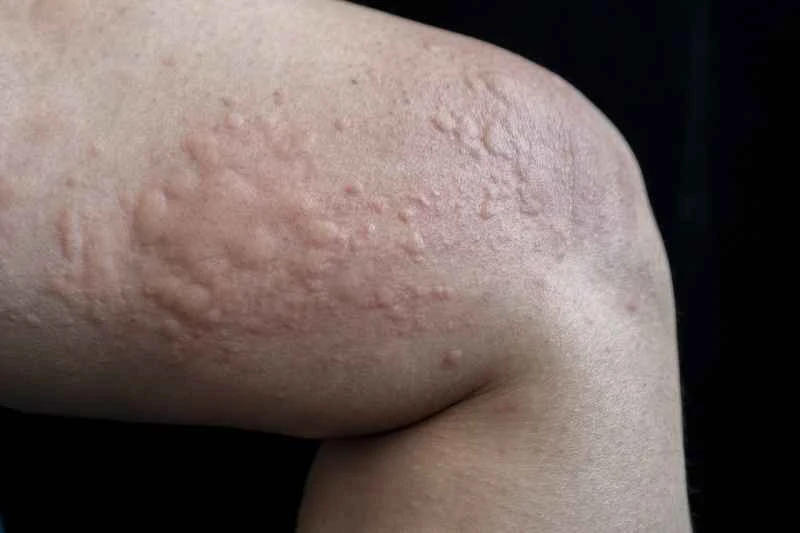
Treatment for acne scars involves a variety of methods to improve the appearance and texture of the skin, thereby reducing the marks left by acne.
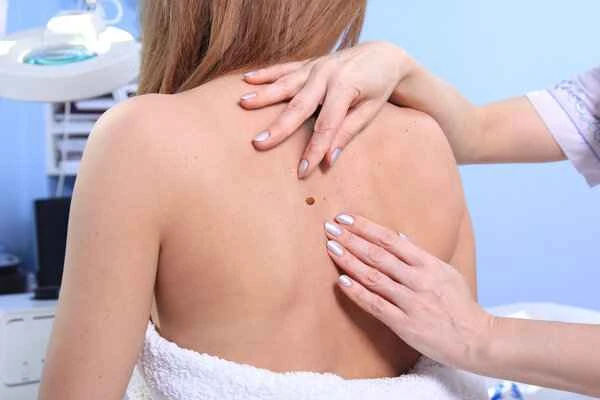
Treatment for acne scars primarily includes various methods such as medication, physical therapy, and surgery. Medication mainly involves topical medications like retinoids and salicylic acid, as well as oral medications like antibiotics and isotretinoin, to promote skin repair and regeneration. Physical therapy includes laser therapy, microneedling, and radiofrequency ablation; these methods stimulate the skin to produce new collagen, thereby improving the appearance of the scar. Surgical treatment is suitable for more severe scars, such as scar excision and flap transplantation, which directly remove scar tissue and restore smooth skin.
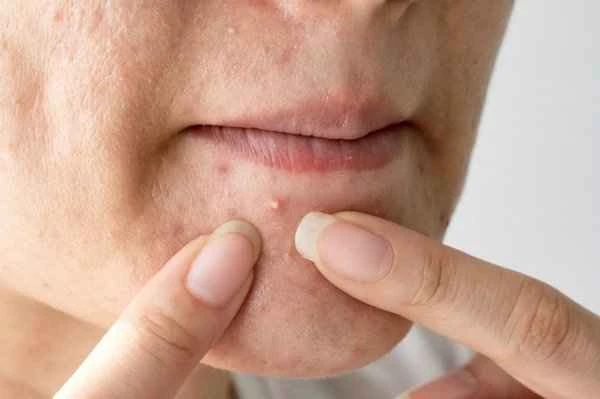
It's crucial to remember that everyone's skin condition and scar type are different when treating acne scars. Therefore, the treatment plan must be customized based on each individual's specific circumstances. Treating acne scars is a long-term process that requires patience and perseverance from the patient. It's also important to avoid overtreatment, which could cause skin damage or other adverse reactions.
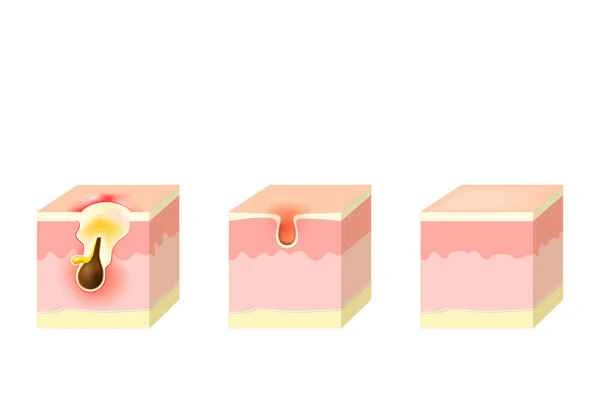
[Management Tip:]
1. Use topical medications recommended by your doctor regularly, such as retinoids, to promote skin repair.
2. Before undergoing physical therapy, be sure to communicate with a professional doctor and choose the treatment method that is most suitable for you.
3. Pay attention to daily skin care and avoid using products that may irritate the skin.