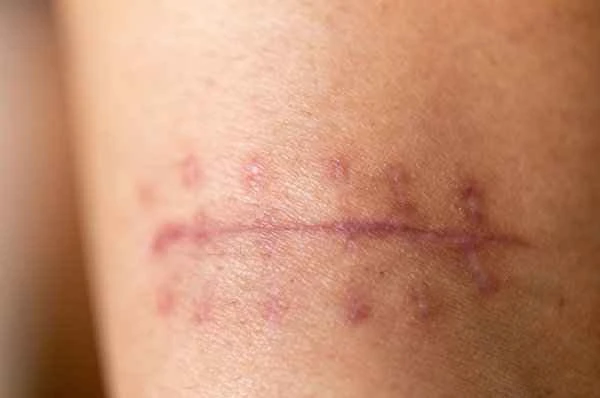
Urticaria (hives) is usually caused by allergic reactions or bodily sensitivities and can be relieved with medication and daily care. It is recommended to seek medical attention promptly to identify the trigger and receive treatment under the guidance of a doctor.

1. Common triggering factors
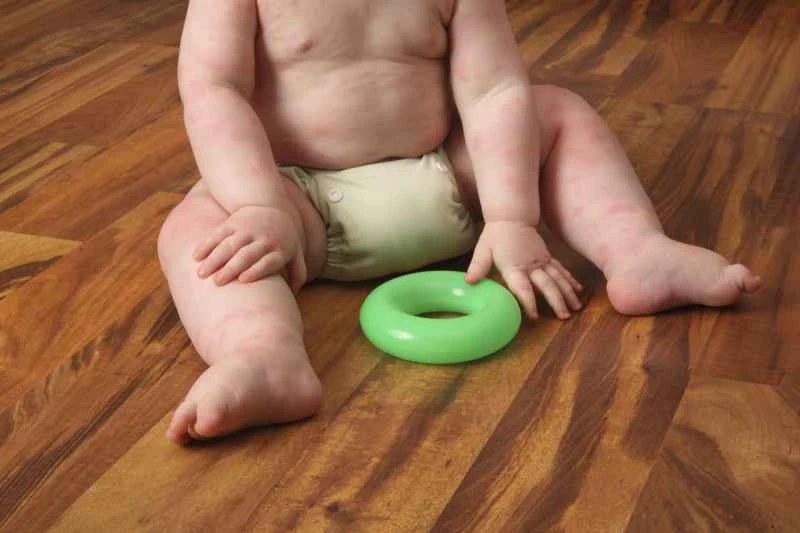
Food allergies, drug reactions, environmental factors such as pollen or dust mites, as well as emotional fluctuations and temperature changes can all trigger urticaria. In some cases, it is related to infection or the autoimmune system.
2. Main treatment methods
Doctors often prescribe antihistamines to control itching and redness. If it recurs frequently, it may be necessary to get tested for allergens and avoid contact with them as much as possible. Applying cold compresses and wearing loose clothing can help relieve discomfort.
3. Daily Precautions
Record changes in diet and environment to help identify triggers. Keep skin clean, avoid scratching, and reduce the use of irritating cleansing and conditioning products. Regular sleep patterns and moderate exercise have a positive effect on regulating immunity.
If symptoms persist or worsen, please consult a dermatologist promptly. Short-term flare-ups can be relieved with medication, while long-term management requires lifestyle adjustments to gradually reduce the likelihood of recurrence.