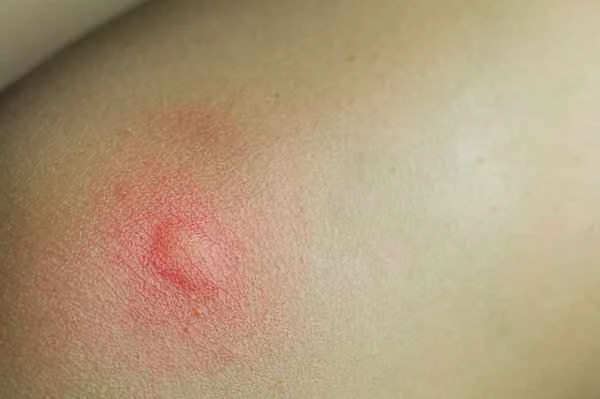
Urticaria is not contagious, so you don't need to worry about spreading it to others through contact or being in the same place with others. It is recommended that patients seek medical attention promptly to identify the triggers and take precautions in daily life.
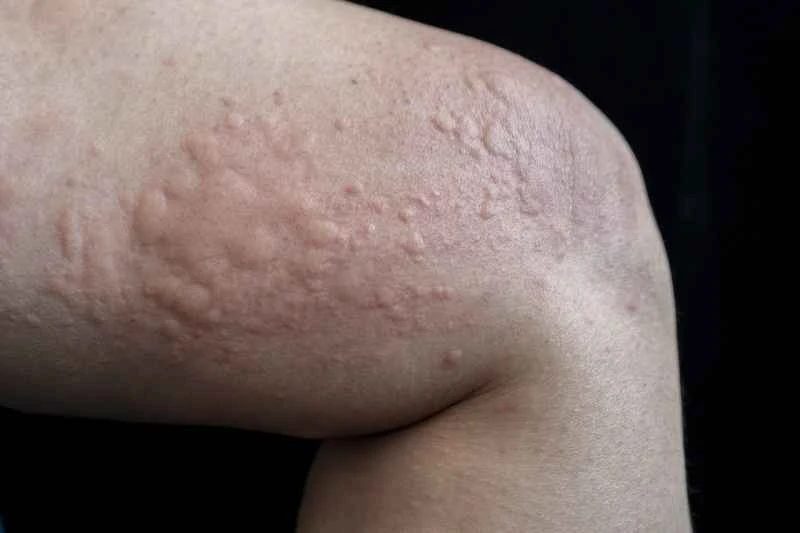
1. The nature of urticaria

It is primarily an allergic or immune response, similar to how some people are sensitive to pollen, food, or temperature changes. It is an internal bodily issue, not caused by bacteria, viruses, or other pathogens, and therefore is not contagious.
2. Common triggering factors
Possible causes include: eating certain foods (such as seafood and nuts), medication effects, physical stimuli (such as friction, temperature changes), emotional stress, or infection. These factors only affect the patient and are not transmitted to others.
3. Precautions in daily life
Although not contagious, patients should pay attention to their symptom patterns and try to avoid known triggers. Family and friends can interact normally without isolation; understanding and support are sufficient.
If you or a family member develops hives, please record your diet and activities before the onset to help your doctor determine the cause. Wear loose-fitting cotton clothing, avoid excessive scratching, and keep a relaxed mood. If the condition is recurrent, it is recommended to consult a dermatologist for proper treatment.