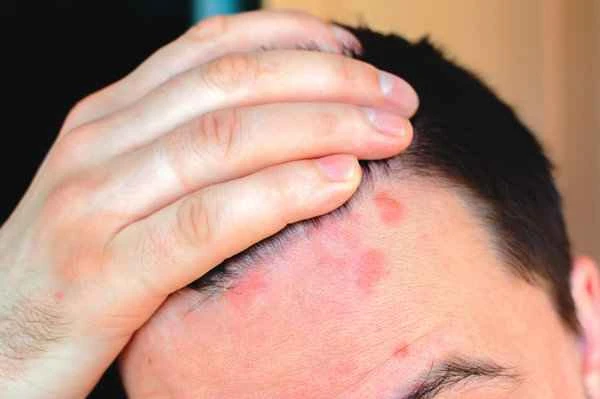
Keloids can be red due to inflammation, infection, or excessive collagen production. This often occurs after skin trauma, such as surgical incisions, burns, or other skin injuries during the healing process. Red keloids may be accompanied by mild pain or itching, which can sometimes worsen with physical activity.
If a keloid scar darkens in color or is accompanied by symptoms such as fever or pus discharge, it may indicate an infection. Infected keloids require timely treatment to avoid further complications. Another possibility is excessive growth of the keloid scar, in which case it may become larger, redder, and may be accompanied by pain or discomfort.
While some mild keloids can be relieved with home care, red keloids may require professional medical intervention. If a keloid grows rapidly, changes color abnormally, or is accompanied by severe pain, you should seek medical attention immediately to rule out more serious health problems.
[Prevention Tips:]
1. Keep the wound clean to prevent infection.
2. Use scar care products recommended by your doctor, such as silicone sheets or gels.
3. Avoid applying excessive pressure or friction to keloids.
4. Pay attention to a healthy diet, avoid spicy foods, and enhance your body's immunity.