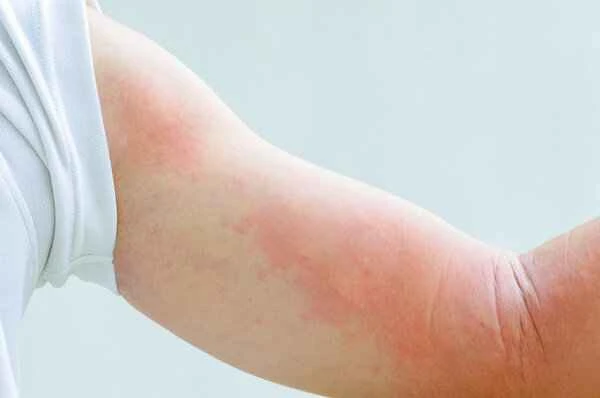
Whether urticaria (hives) on the face will improve depends on a variety of factors, including its type, severity, and individual differences. Urticaria is a common allergic skin reaction that manifests as red or skin-colored patches or papules on the skin, sometimes accompanied by itching. When urticaria appears on the face, patients may feel uncomfortable or even anxious, but with proper treatment and management, it can be effectively controlled and cured in most cases.
Treatment for urticaria typically involves avoiding known triggers, using antihistamines to relieve symptoms, and, in some cases, corticosteroids to control inflammation. Antihistamines are effective at relieving itching and redness, while corticosteroids are used in more severe cases to help reduce the inflammatory response. For chronic or recurrent urticaria, doctors may recommend further allergen testing to identify and avoid potential allergens. These treatments work together to reduce symptoms, control inflammation, and ultimately promote skin recovery.
In treating urticaria, patients may encounter some potential risks and misconceptions. Some patients may mistakenly believe that urticaria is caused by a specific food or environmental factor, ignoring other possible allergens, such as medications or chemicals. Some patients may over-rely on antihistamines, neglecting the importance of finding and avoiding the underlying cause. Some patients may refuse to use corticosteroids due to concerns about side effects, resulting in uncontrolled symptoms. When treating urticaria, it is important to comprehensively consider all factors and make individualized treatment decisions under the guidance of a doctor.
[Management Tip:]
1. Regularly monitor allergy symptoms and record possible triggers.
2. Adjust your lifestyle and avoid known allergens.
3. If symptoms worsen or persist without relief, seek medical attention promptly for professional advice.