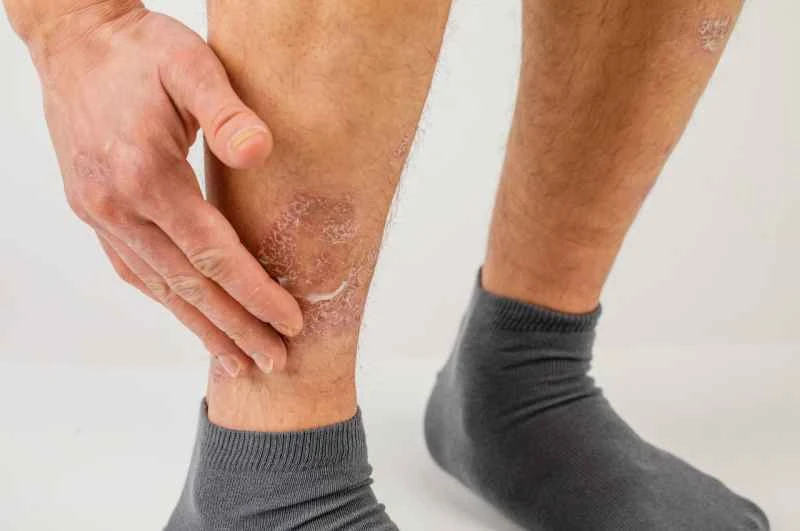
The best approach to treating nasal root scars is to select the appropriate treatment method based on the type and severity of the scar. Treatment requires comprehensive consideration of the scar's cause, type, and individual differences to achieve the best possible outcome.
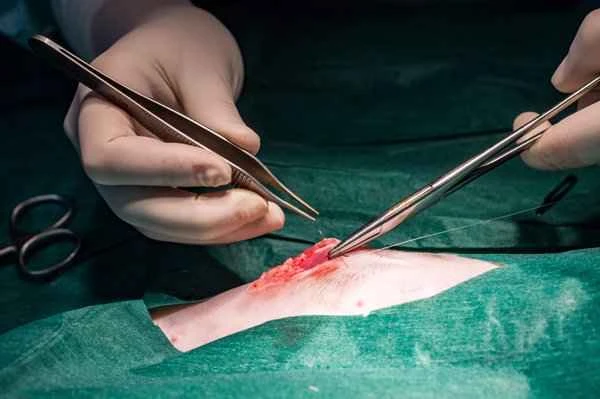
Treatment of nasal root scars typically involves various methods, such as medication, physical therapy, and surgery. Medication primarily uses topical or oral medications to reduce inflammation in the scar tissue, promoting softening and flattening. Physical therapy includes laser therapy and ultrasound therapy, which can promote scar tissue metabolism and improve blood circulation, thereby reducing scar size. Surgical treatment is suitable for more severe scars, improving appearance and function through methods such as scar tissue excision and skin grafting. These treatment methods work together to target the scar tissue, achieving the best therapeutic effect.
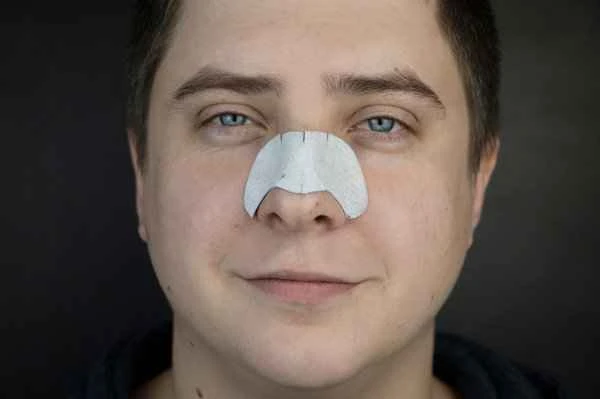
When treating nasal root scars, it's crucial to avoid some common misconceptions. Scar treatment is a long-term process requiring patience and consistent care. Different scar types necessitate different treatment methods; a one-size-fits-all approach is not appropriate. Finally, some side effects may occur during treatment, such as skin pigmentation and infection, requiring treatment under the guidance of a doctor.
[Management Tip:]
1. Choose the appropriate treatment method, depending on the type and severity of the scar, including medication, physical therapy, or surgery.
2. Be aware of side effects during treatment, such as skin pigmentation or infection, and seek medical attention promptly.
3. Maintain good lifestyle habits, avoid excessive sun exposure, keep your skin clean, and avoid spicy or irritating foods.