The key to treating scratch scars lies in promoting wound healing and reducing scar formation. For minor scratches, keeping the wound clean and using an appropriate antibacterial ointment can effectively prevent infection while promoting skin healing. As the wound heals, using scar repair products containing silicone or vitamin E can help soften and reduce scarring. For more severe scratches, medical intervention may be necessary, including the use of topical corticosteroids to reduce inflammation and scar formation, or laser treatment or surgical excision in cases of hypertrophic scarring. These methods work together to reduce the size and visibility of the scar and promote natural skin recovery.
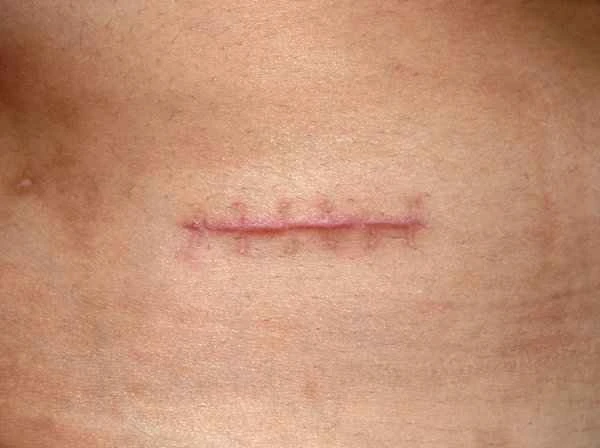
There are some potential risks and misconceptions in treating laceration scars. For example, overuse of certain scar repair products may cause skin irritation or allergic reactions. Some patients may mistakenly believe that all scars can be completely eliminated with simple home care, but in reality, some deep or hypertrophic scars may require professional medical intervention. Treatment methods should be carefully chosen when dealing with laceration scars, and professional medical advice should be sought when necessary.
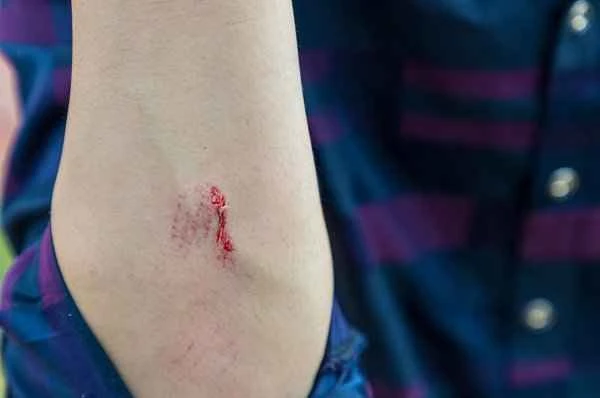
[Management Tip:]

1. Keep the wound clean to prevent infection.
2. Use silicone or vitamin E products to promote scar softening.
3. For severe scars, seek medical attention promptly for professional treatment.