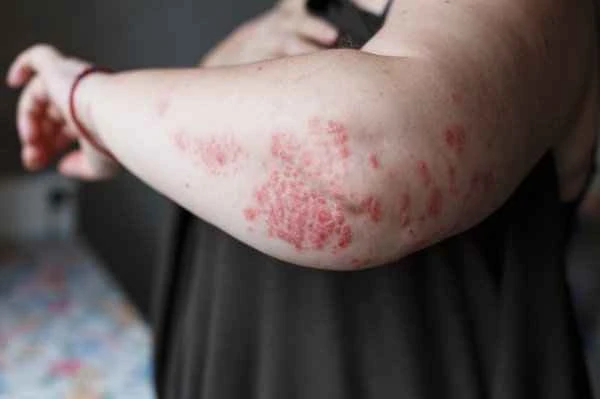
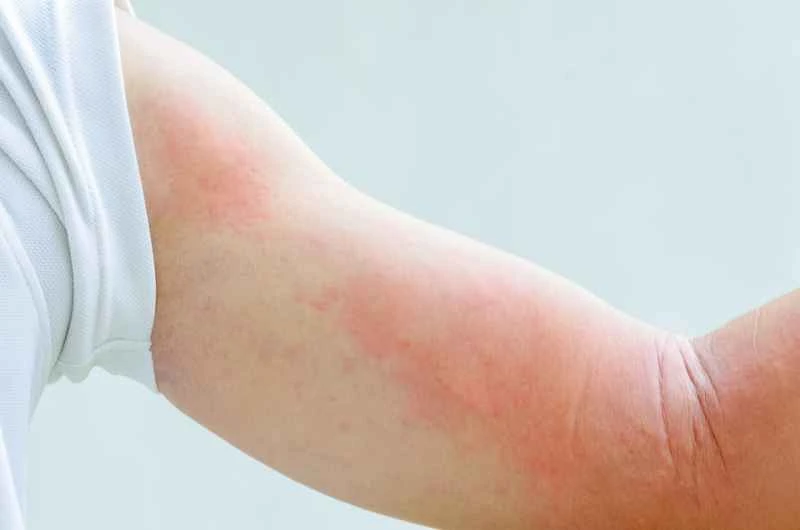
A ruptured scar can manifest as a range of symptoms, often related to the fragility of the scar tissue and compromised skin integrity. When a scar ruptures, patients may experience intense pain, often accompanied by a tearing or splitting sensation in the skin. The ruptured scar may show signs of redness, oozing, or even infection. If the scar is located in a frequently used area, the rupture may be exacerbated by friction or external force.
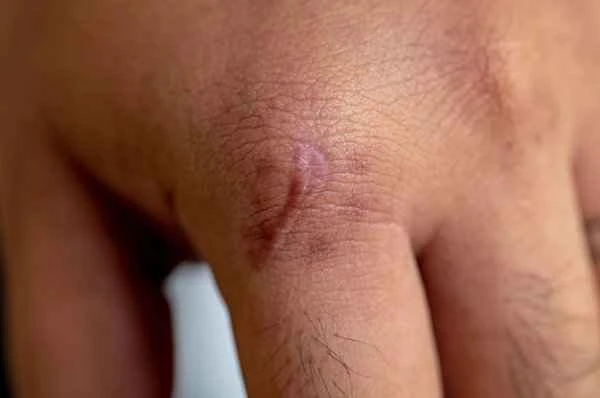
Another possibility is an inflammatory response in the scar tissue. When a scar ruptures, the inflammation can cause a rise in local temperature, resulting in a noticeable heat sensation upon touch. If the rupture is accompanied by severe pain, increased redness and swelling, or purulent discharge, this could be a sign of infection and requires prompt medical attention.

Patients must know that the symptoms of a ruptured scar can vary from person to person, and the type of scar (such as a hypertrophic scar or a keloid) can also affect the presentation of symptoms. When a scar ruptures, especially if accompanied by severe pain, redness, swelling, heat, or signs of infection, seek medical attention promptly for professional diagnosis and treatment. Avoid self-treatment, as this may worsen symptoms or lead to infection.
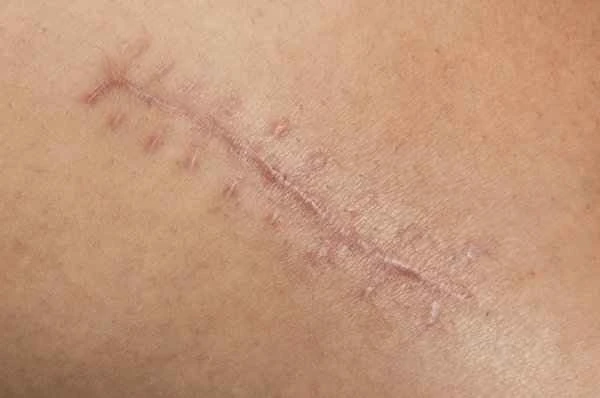
[Prevention Tips:]
1. Keep the scarred area clean and dry to prevent infection.
2. Avoid friction or external impact on the scarred area.
3. Regularly observe the scar area, and seek medical attention promptly if any abnormal changes are observed.