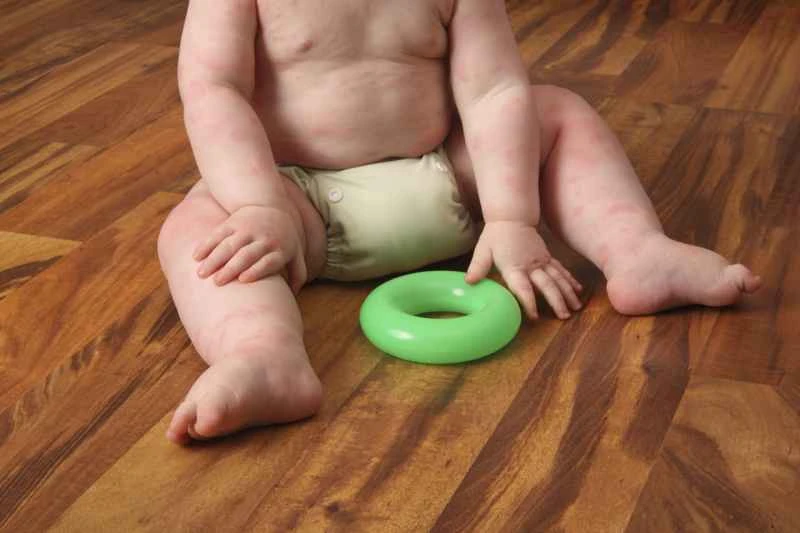
For children with urticaria, antihistamines can be used to relieve symptoms as prescribed by a doctor, but the specific medication should be determined based on age, severity of symptoms, and doctor's diagnosis.
1. **Common Drug Types**
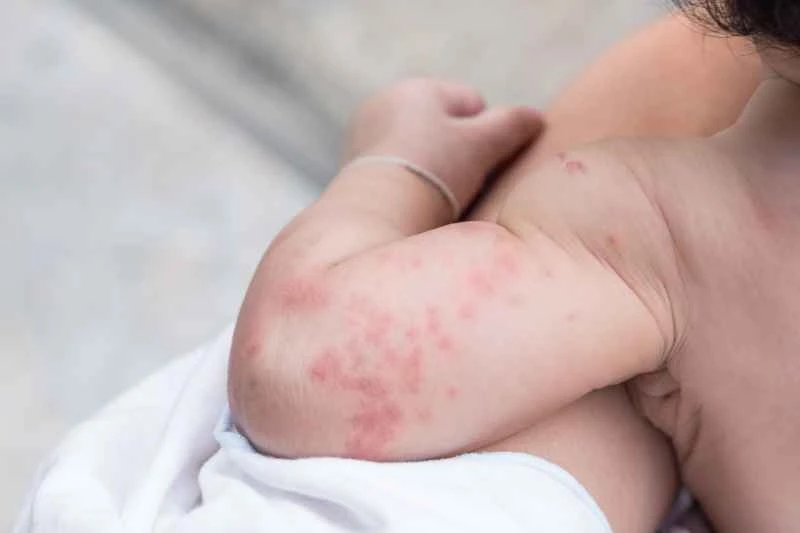
Second-generation antihistamines, such as cetirizine drops or loratadine syrup, are commonly used in children. These medications usually have fewer side effects and can help relieve itching and hives.
2. **Age and Dosage Differences**
Dosage for different age groups must be strictly adjusted according to the instructions or doctor's guidance. Extra caution should be taken when administering medication to infants and young children, and avoid using adult medications on your own.
3. **In conjunction with daily care**
During medication, cold compresses can be used to relieve itching, and scratching should be avoided; pay attention to recording dietary and environmental factors to help identify possible triggers.
If your child experiences shortness of breath, swelling of the eyelids or lips, seek immediate medical attention. Maintain skin cleanliness, dress them in loose-fitting cotton clothing, and follow your doctor's instructions regarding medication use; avoid changing or discontinuing medication without consulting a doctor.