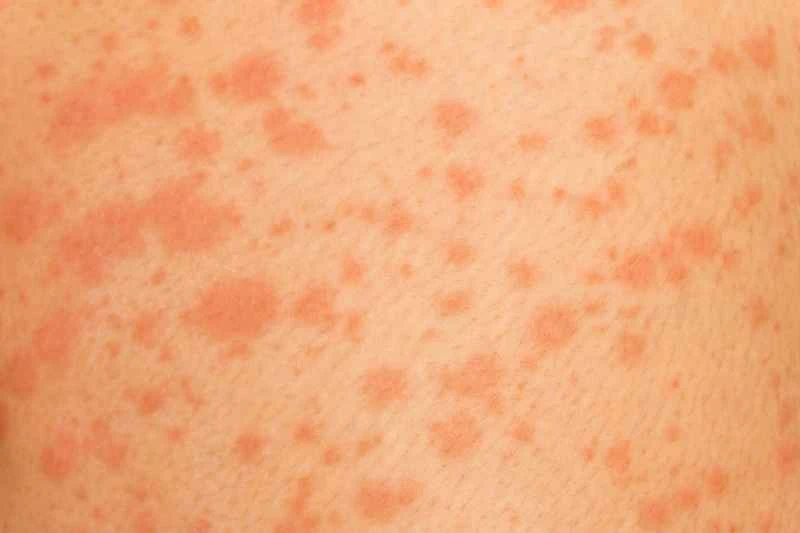
Removal of cesarean section scars refers to reducing or eliminating the scars left after surgery through a series of methods. The process of removing cesarean section scars involves multiple methods, including drug treatment, physical therapy, and surgical intervention, each with its specific mechanism of action and applicable situations.
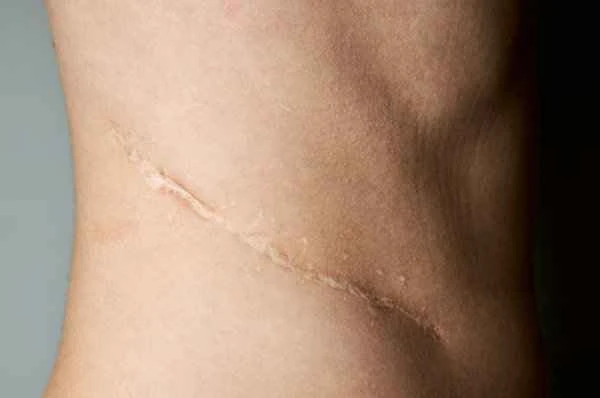
The key to removing cesarean section scars lies in promoting wound healing while minimizing scar formation. Drug therapy is a common method, including the use of silicone sheets and scar gels. These medications help keep the wound moist, promote normal skin cell growth, and reduce scar formation. Physical therapy, such as pressure therapy, applies continuous pressure by wearing elastic bandages or pressure garments, which helps reduce scar formation and hyperplasia. For more severe scars, surgical intervention may be necessary, such as scar excision or skin grafting. These procedures directly remove scar tissue, followed by suturing or other techniques to restore the skin's smoothness and aesthetics.
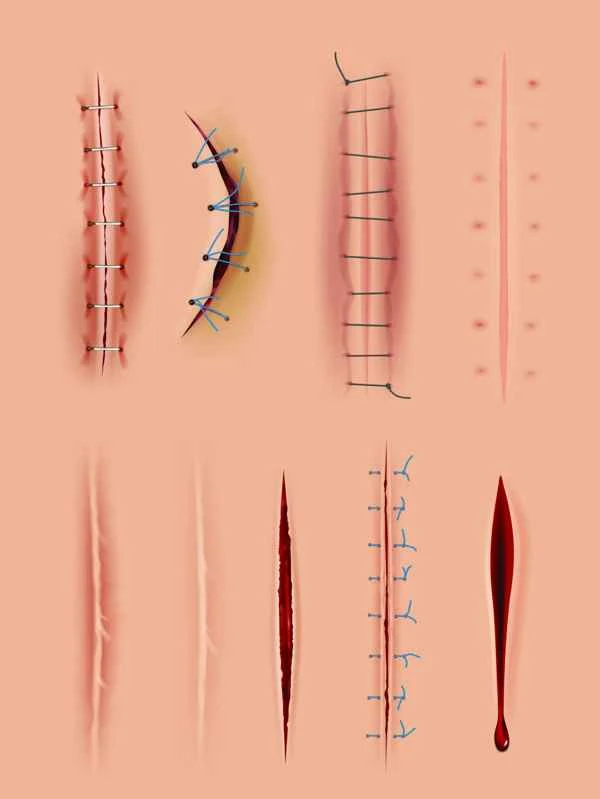
When managing cesarean section scars, it's crucial to be aware that any treatment carries inherent risks and side effects. For example, medication may cause allergic reactions, physical therapy may lead to skin irritation or discomfort, and surgical intervention can result in complications such as infection and bleeding. Some patients may have unrealistic expectations, believing that all scars can be completely eliminated. When choosing a treatment method, it's essential to fully consider your individual circumstances, including the type, size, and location of the scar, as well as your overall health condition. Thorough communication with your doctor is vital to developing the most suitable treatment plan.
[Management Tip:]
1. Use silicone sheets or scar gel regularly to keep the wound moist.
2. Use pressure therapy, such as wearing elastic bandages or pressure garments.
3. If any abnormal symptoms such as infection, redness, swelling, or pain occur, seek medical attention promptly.