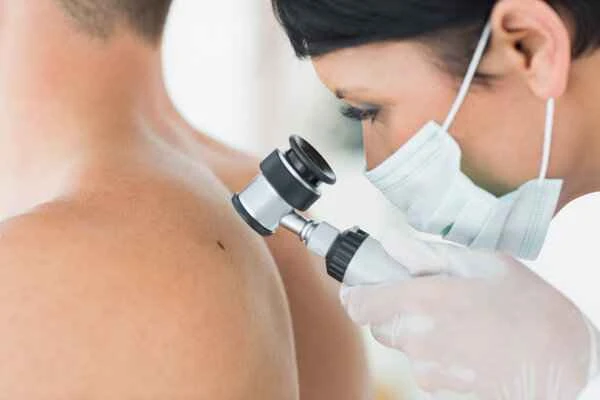
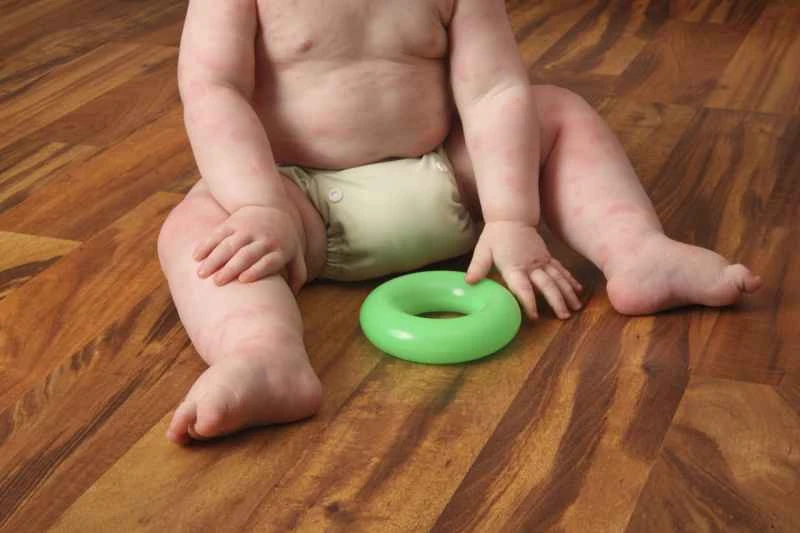
Eliminating subcutaneous pustules in scars involves addressing the subcutaneous infection through a comprehensive treatment approach. Subcutaneous pustules in scars are usually caused by bacterial infection, requiring appropriate treatment to remove the pus, prevent the spread of infection, and promote wound healing.
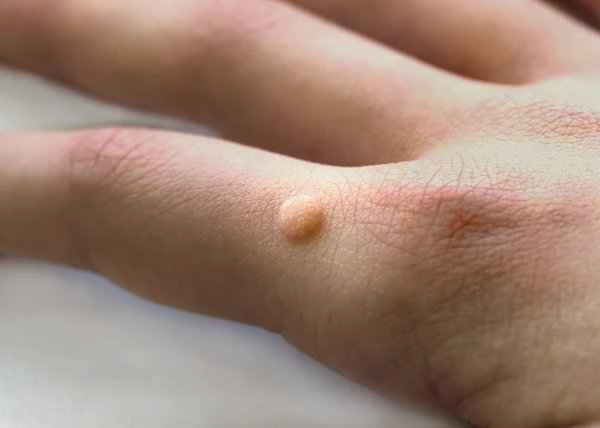
The core principles of treating subcutaneous pustules in scarring are to remove the source of infection, control the inflammatory response, and promote wound healing. Doctors will drain the pus thoroughly through local incision and drainage to relieve local pressure and pain, while preventing the spread of infection. Antibiotic treatment is a crucial step in controlling the infection; oral or topical antibiotics can effectively kill bacteria and control the development of the infection. Keeping the wound clean and dry, and using appropriate dressings, helps reduce bacterial growth and promotes wound healing. Finally, if subcutaneous pustules in scarring recur, further investigation may be needed to identify underlying medical conditions such as diabetes or weakened immune function, and appropriate treatment measures may be taken.
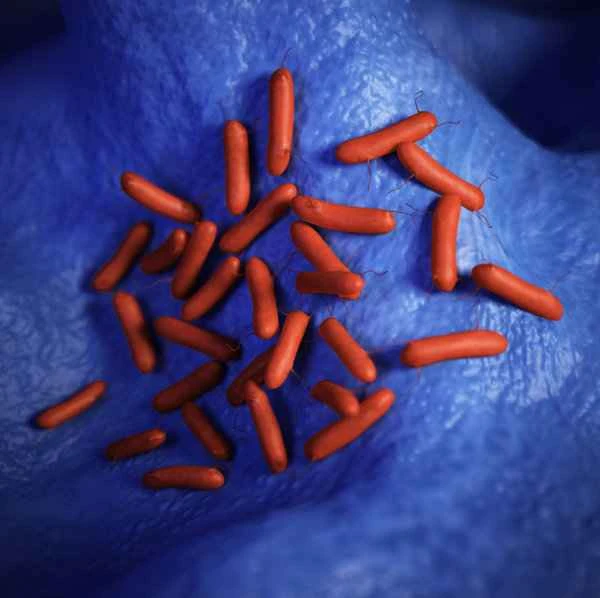
When treating subcutaneous pustules on scars, it's important to avoid some common misconceptions. Squeezing or puncturing the pustules yourself may cause the infection to spread and worsen the condition. Relying solely on antibiotics while neglecting wound care may lead to poor treatment outcomes. Finally, ignoring the influence of underlying medical conditions can result in recurrent subcutaneous pustules that are difficult to cure completely. During treatment, it's crucial to follow your doctor's instructions and adopt a comprehensive treatment approach to achieve the best results.
[Management Tip:]
1. Seek medical attention promptly for evaluation and treatment by a professional doctor.
2. Keep the wound clean and avoid squeezing or puncturing the pus.
3. Use antibiotics as prescribed by your doctor, and pay attention to personal hygiene and wound care.
4. Regular follow-up examinations are necessary to monitor wound healing and adjust the treatment plan as needed.