Treatment for jaw scars primarily involves improving the appearance and texture of the skin through various methods, thereby reducing scarring.
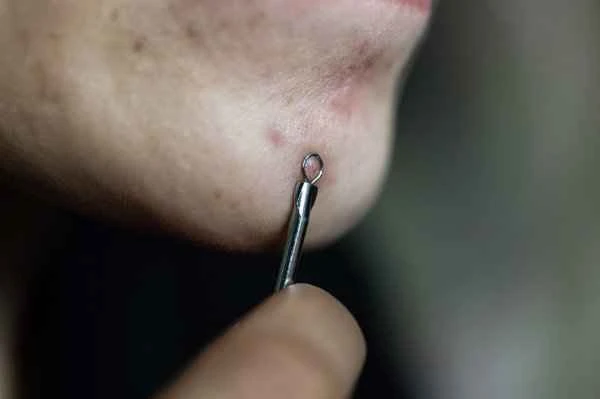
The key to treating jaw scars lies in choosing the appropriate treatment method, which typically includes a combination of approaches such as medication, physical therapy, and surgery. Medication involves the topical application of anti-scarring agents, such as silicone gel sheets or creams containing vitamin E, to promote scar softening and flattening. Physical therapy includes laser treatment and radiofrequency ablation, which promote collagen remodeling and improve the appearance of the scar. Surgical treatment is suitable for more severe scars, such as keloids or hypertrophic scars, by removing the scar tissue and re-suturing to improve appearance. These treatment methods complement each other, working together to target the scar tissue and achieve the best therapeutic effect.
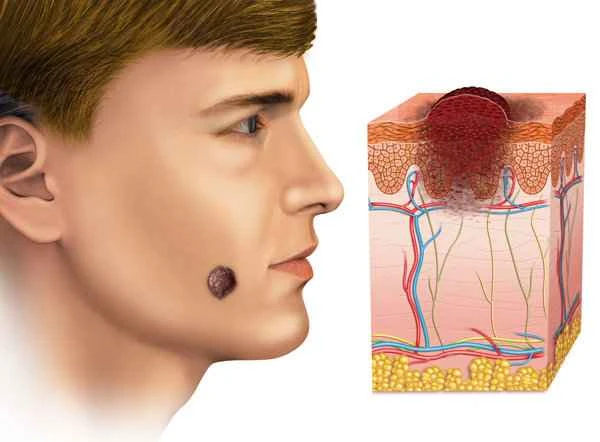
When treating jaw scars, patients should be aware that not all scars are suitable for the same treatment method. For example, certain types of scars, such as atrophic scars, may require different strategies, such as filler injections, to improve skin depression. Side effects may occur during treatment, such as skin redness and swelling, and infection. Therefore, it is essential to have a detailed consultation with your doctor before treatment to understand the potential risks and expected results. Post-treatment care is also crucial, including keeping the wound clean and avoiding sun exposure; these measures help improve the treatment outcome.

[Management Tip:]
1. Use anti-scarring medications, such as silicone gel sheets or creams containing vitamin E.
2. Regularly undergo laser or radiofrequency treatments to promote collagen remodeling.
3. If redness, swelling, infection, or other abnormal symptoms occur, seek medical attention promptly.