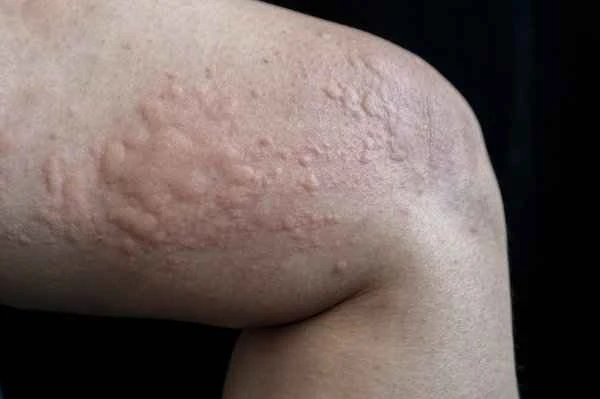
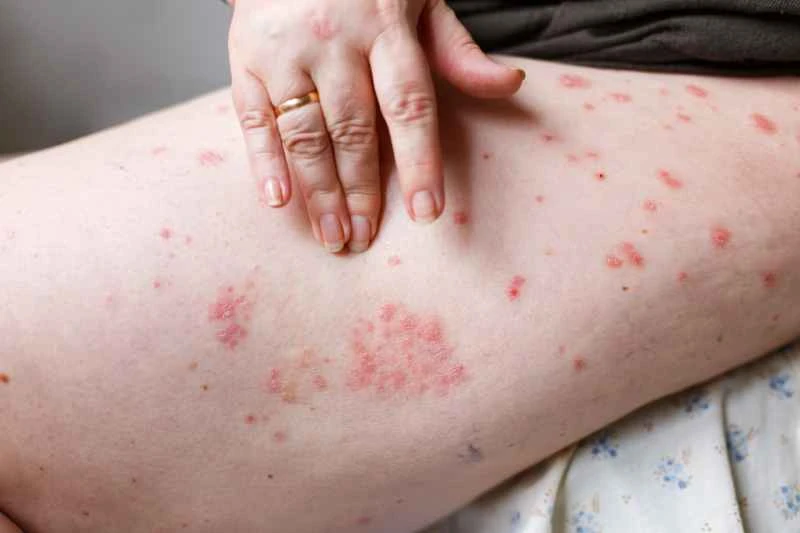
Rapid scar reduction involves a variety of treatment methods and strategies aimed at reducing scar tissue formation and promoting skin healing. Scar formation is a complex physiological process involving skin injury, inflammatory response, and subsequent repair and remodeling. Excessive collagen deposition is a major contributing factor to scar formation during this process. The key to rapid scar reduction lies in suppressing the inflammatory response, promoting normal collagen arrangement, and accelerating the skin's repair process.
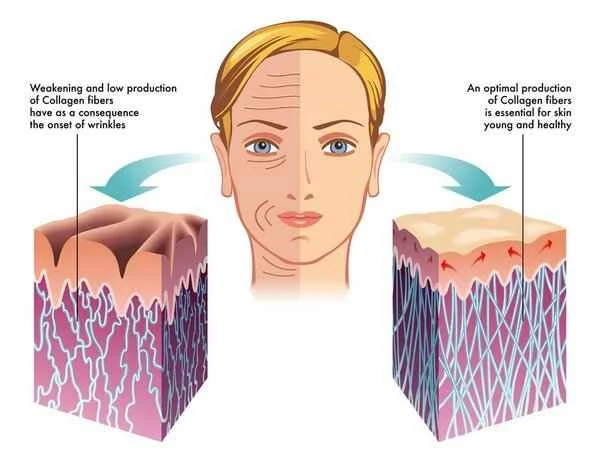
To effectively and quickly eliminate scars, a comprehensive treatment approach is typically employed. Topical application of silicone-containing gels or patches can help keep the scarred area moist, thereby reducing scar formation. Laser therapy, microneedling, and chemical peels can promote skin cell regeneration and stimulate collagen production, helping to improve the appearance of scars. In terms of medication, topical corticosteroids can reduce inflammation, while oral or topical vitamin E and vitamin C can help accelerate the skin repair process. The effectiveness of these treatments varies from person to person and should be conducted under the guidance of a professional physician.
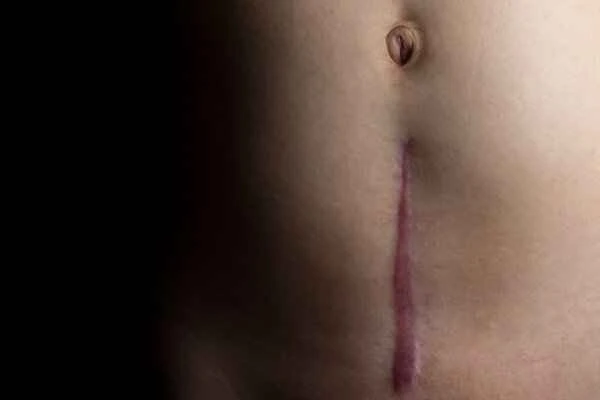
When considering strategies for rapid scar removal, patients should be aware that any treatment method has its potential risks and limitations. For example, overuse of certain medications may lead to increased skin sensitivity or other side effects. Some treatments may take a long time to show results, and not all scar types are suitable for rapid removal. Before choosing a treatment method, patients should have a thorough discussion with their doctor to understand their scar type, the expected effects of the treatment, and the potential risks, thus making an informed decision.
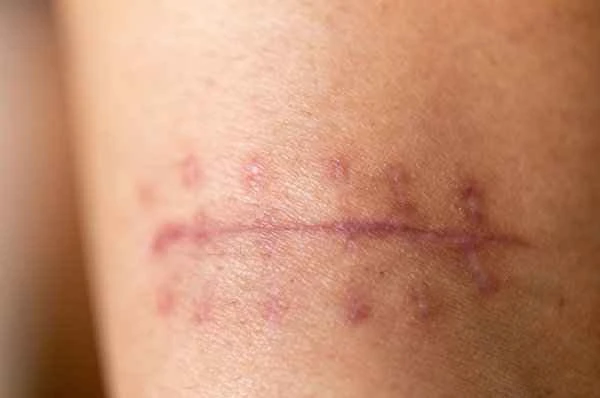
[Management Tip:]
1. Choose a treatment method suitable for your individual scar type and proceed under the guidance of a professional doctor.
2. Regularly monitor changes in the scar and adjust the treatment plan accordingly.
3. Pay attention to daily care to avoid irritation or infection of the scar area.
4. Maintain healthy lifestyle habits, such as a balanced diet and moderate exercise, to promote overall skin health.