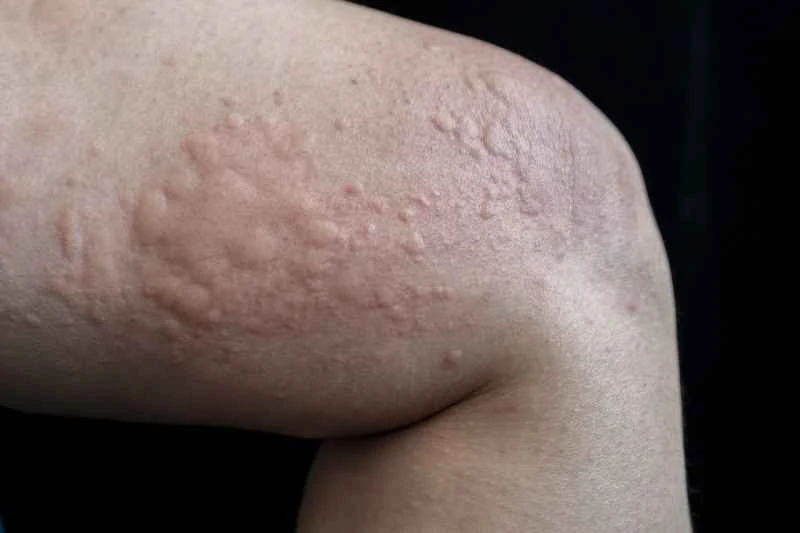
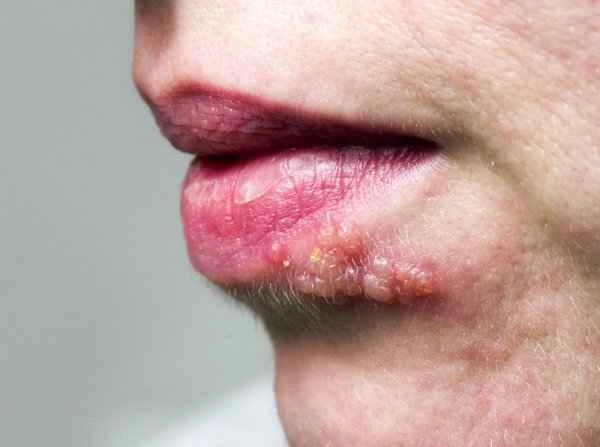
Rehabilitation for individuals with a predisposition to keloid scarring refers to the process of reducing scar formation and promoting wound healing through a series of treatments. People with this predisposition are prone to developing excessively proliferative scars after injury, which not only affects appearance but can also cause discomfort and even functional impairment. The key to rehabilitation lies in preventing and controlling excessive scar growth, which requires a multi-pronged approach including wound care, medication use, and lifestyle adjustments.
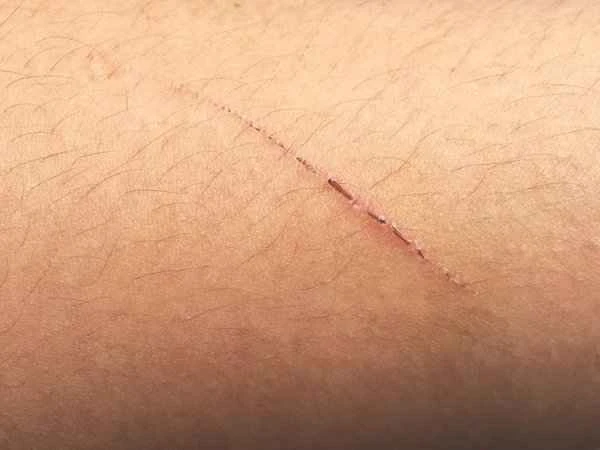
In the recovery process for those prone to keloid scarring, the first step is to properly treat the wound, prevent infection, keep the wound clean and dry, and promote normal healing. Using anti-scarring medications such as silicone sheets or gels can help soften scar tissue and reduce scar formation. Local injections of corticosteroids are also a common treatment method, which can inhibit excessive scar tissue growth. Finally, laser therapy, cryotherapy, and other methods can further improve the appearance and texture of the scar. These methods work together to effectively control scar formation, promote wound healing, and reduce excessive scar growth.
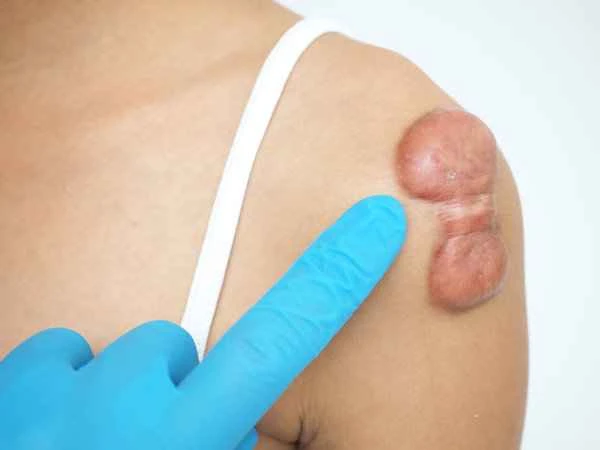
When treating keloid scarring, it's important to recognize that while some treatments are effective, individual responses can vary, necessitating a customized treatment plan. Side effects such as pain or swelling at the injection site may also occur during treatment. Therefore, treatment methods should be chosen under the guidance of a doctor to ensure safety and effectiveness. Recovery from keloid scarring is a long-term process requiring patience, continuous monitoring of the wound, and regular follow-up appointments for timely adjustments to the treatment plan.
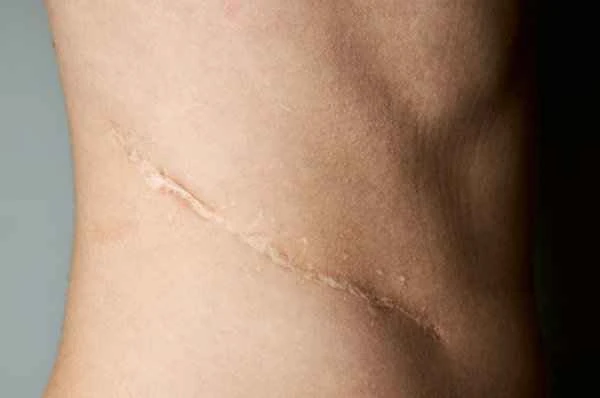
[Management Tip:]
1. Keep the wound clean to prevent infection.
2. Use anti-scarring medications, such as silicone sheets or gels.
3. Regular follow-up visits to adjust the treatment plan.
4. Pay attention to personal lifestyle habits and avoid excessive skin irritation.