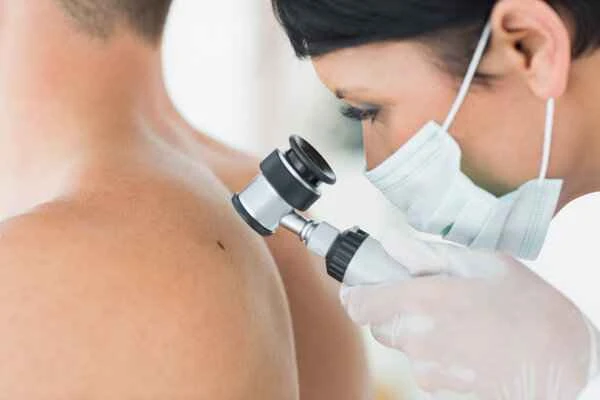
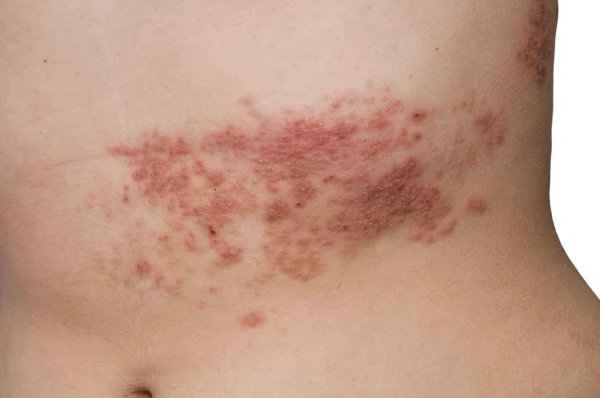
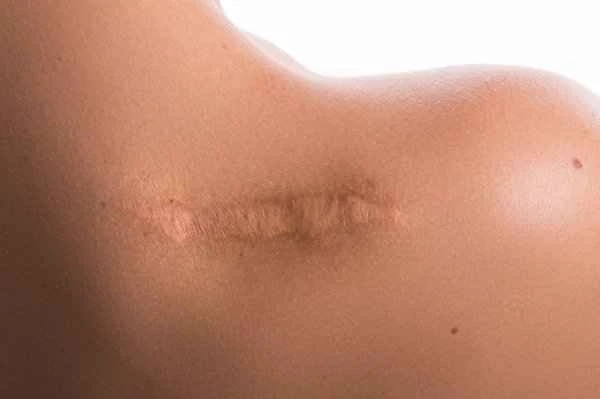
Removing keloid scars on the knee requires a comprehensive approach considering multiple treatment methods to achieve the best results. Keloids are overgrown scar tissues, typically larger than the original wound, and may be accompanied by pain or discomfort. Methods for removing keloid scars on the knee mainly include medication, surgery, laser therapy, and radiation therapy. These methods have different mechanisms of action, but they share the common goal of reducing scar tissue growth and promoting the regeneration of normal skin tissue.
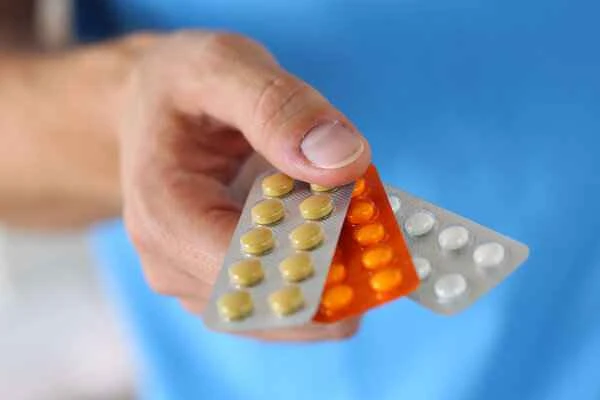
Drug therapy is a non-invasive method for removing keloids. It involves applying medication topically to soften and reduce scar tissue. For example, silicone patches and topical corticosteroids can reduce the hardness and redness of keloids, thereby alleviating symptoms. Surgical treatment removes keloids by excising the scar tissue, but there is a possibility of keloid recurrence after surgery. Therefore, it is usually combined with other treatments after surgery to reduce the recurrence rate. Laser therapy uses specific wavelengths of laser light to destroy scar tissue and promote the regeneration of normal skin tissue. Radiation therapy uses radiation to inhibit the growth of scar tissue and prevent further enlargement of keloids.
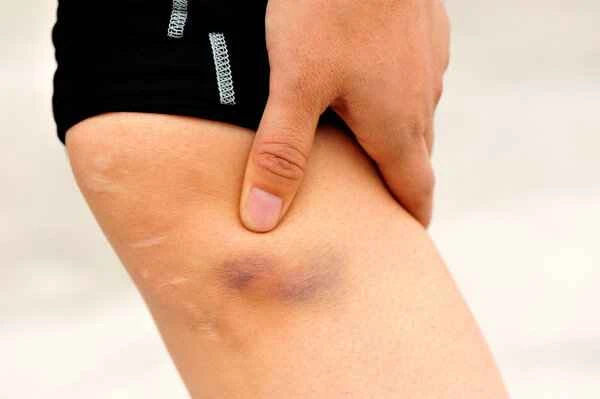
Patients may encounter some risks and misconceptions during the treatment of knee keloids. Keloid treatment usually requires a long time, and patients may lose confidence due to unsatisfactory results. Side effects may occur during treatment, such as skin pigmentation and infection. When choosing a treatment method, patients should fully understand the mechanisms of action and potential risks of various treatments and choose the most suitable treatment plan based on their individual circumstances. Post-treatment care is also very important, including keeping the wound clean and avoiding excessive activity to promote healing and prevent keloid recurrence.
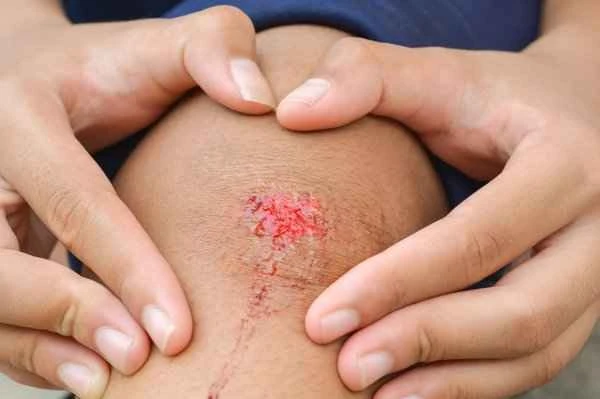
[Management Tip:]
1. Have regular skin checkups to detect and treat new keloids promptly.
2. Avoid excessive rubbing or stretching of keloids to prevent worsening of symptoms.
3. If signs of infection appear (such as increased redness, swelling, or pain), seek medical attention promptly.